The Head of the European Union (EU) delegation to Nigeria and ECOWAS, Reuben Alba, has reaffirmed the EU’s unwavering support for peace, inclusion, and grassroots development in Nigeria.
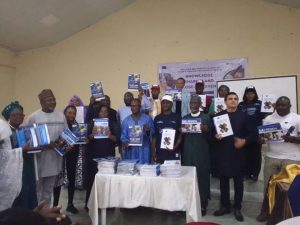
Speaking in Jos, Plateau State, on Sunday during the closing ceremony of the Inclusive Religious Engagement in Nigeria Enhanced by Women (I-RENEW) project, Alba described the initiative as a powerful demonstration of the EU’s approach to building resilience and coexistence in conflict-affected regions.
“We want to showcase that it is possible to live in peace regardless of religion, ethnic group, or livelihood,” Alba said. “The EU is committed to supporting initiatives that promote freedom, respect, and understanding.”
Funded by the EU and implemented by Search for Common Ground in partnership with local stakeholders, the 30-month I-RENEW project has recorded significant successes in advancing religious inclusion and empowering marginalised voices, especially in Plateau and Kaduna States.
Achievements highlighted during the ceremony included the formation of the Plateau Youths Interfaith Forum, rehabilitation of homes damaged by conflict, and the installation of solar lighting in vulnerable communities.
Williams Ubimago, Project Manager at Search for Common Ground, described the event as a moment to “harvest the results of a long-term investment in freedom of religion and belief,” noting that I-RENEW helped amplify the voices of women, youth, and faith leaders in promoting rights and inclusion.
Representing the Plateau Peacebuilding Agency, Nantip Joseph praised the project’s people-centred approach, urging stakeholders to build on the foundations laid by I-RENEW to ensure its legacy continues.
Gift Omoniwa, Acting Country Director of Search for Common Ground, hailed the initiative as a “transformative intervention” that tackled exclusion in peacebuilding processes and fostered lasting community impact.
Testimonies from project participants like Fatima Aliyu of Kaduna and Blessing Lubo of Plateau painted a picture of profound personal and communal change—from infrastructure improvements to deeper interfaith empathy and cooperation.
The event concluded with a strong call for government bodies, NGOs, and community leaders to sustain the momentum of I-RENEW and expand its inclusive model to other parts of Nigeria in need of peacebuilding and religious harmony.