
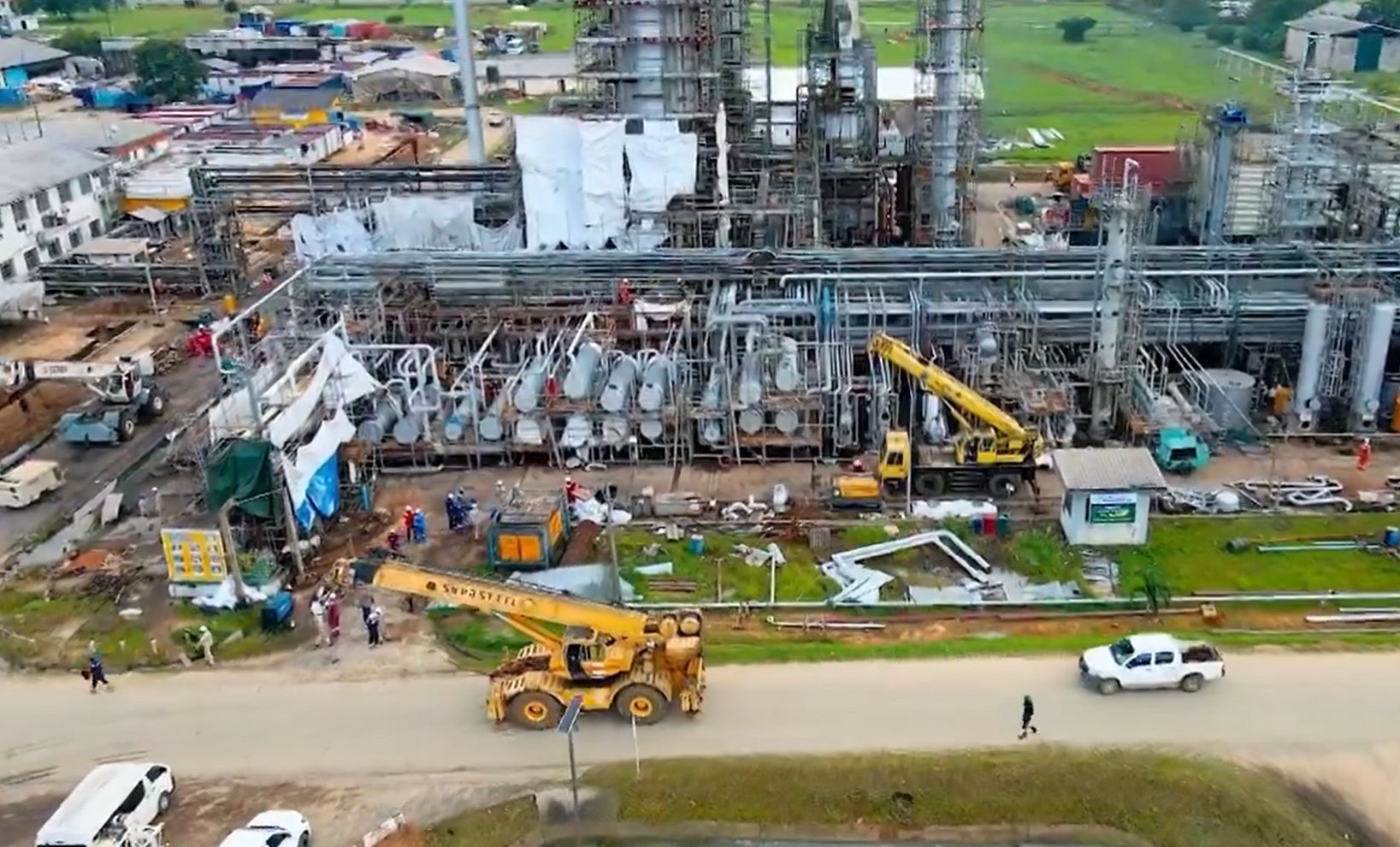
The Federal Government has suggested it might sell Nigeria’s state-owned refineries as part of broader economic reforms aimed at attracting investment, boosting competition, and improving efficiency in the downstream oil sector.
Nigeria’s four refineries—located in Port Harcourt, Warri, and Kaduna—have a combined capacity of 445,000 barrels per day (bpd) but have been largely inactive for decades, despite costly maintenance projects that have drained billions of public funds.
Olu Verheijen, Special Adviser to President Bola Tinubu on Energy, discussed the plan in an interview with Bloomberg TV at the Abu Dhabi International Petroleum Exhibition and Conference (ADIPEC). She said a sale or partnership could be considered if the government finds the right technical partner with sufficient capital.
“These plants have long been sustained by government subsidies, but now that we’ve removed the subsidies, we’ve removed the distortions in that market,” Verheijen said. She added that the administration is focused on restoring efficiency and transparency to ensure the petroleum sector operates fully on commercial terms.
The refineries’ inactivity has been a growing concern. The Port Harcourt refinery, for example, shut down on May 24, 2025, for a 30-day maintenance but has remained idle for over 80 days, with little progress under the current NNPCL leadership.
NNPCL CEO Bayo Ojulari said the company is seeking technical equity partners to manage and operate the Port Harcourt, Warri, and Kaduna refineries to meet international standards. “We are looking ahead with optimism to ensure our refineries operate effectively,” he posted on X.
Verheijen also noted that a future initial public offering (IPO) for NNPCL remains a long-term goal, emphasizing the importance of making the company more transparent, efficient, and capable of delivering results.
