
In a landmark moment for aviation safety, an aircraft has successfully landed itself during a real-world emergency using an automated flight system — the first confirmed case of its kind.
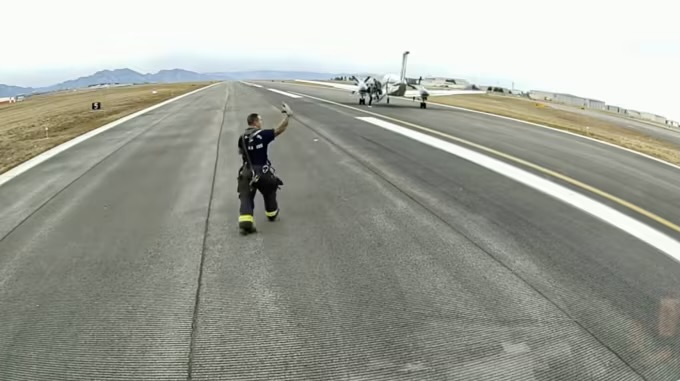
The incident involved a Beechcraft Super King Air 200, which touched down safely after Garmin’s Autoland technology assumed full control. Video released by emergency responders shows the aircraft stopping normally on the runway, with both people on board walking away unharmed.
The twin-engine turboprop, operated by charter company Buffalo River Aviation, was flying without passengers when it suffered a rapid and uncommanded loss of cabin pressurisation. Although the pilots quickly donned oxygen masks and remained conscious, the Autoland system automatically activated once cabin altitude exceeded safe limits.
According to the operator, the crew deliberately allowed the system to complete the landing, choosing to rely on automation to reduce risk and eliminate additional variables during a critical situation. “The crew elected to preserve and use all available tools, prioritising life and a safe outcome above all else,” the company said.
During the descent, air traffic control recordings captured an automated broadcast stating “pilot incapacitation” and warning nearby aircraft of an imminent emergency landing. The company later clarified that this transmission is a standard, pre-programmed alert within the Autoland system and does not necessarily indicate actual pilot incapacitation.
While Garmin’s Autoland is installed on roughly 1,700 aircraft worldwide, the company confirmed this was the first time the system has handled an emergency landing from start to finish in real operational conditions.
Federal Aviation Administration officials have opened a review into the incident to better understand the sequence of events and assess implications for future use of automated emergency landing systems.
Aviation experts say the successful outcome could mark a turning point in how automation enhances safety during rare but high-risk in-flight emergencies.
