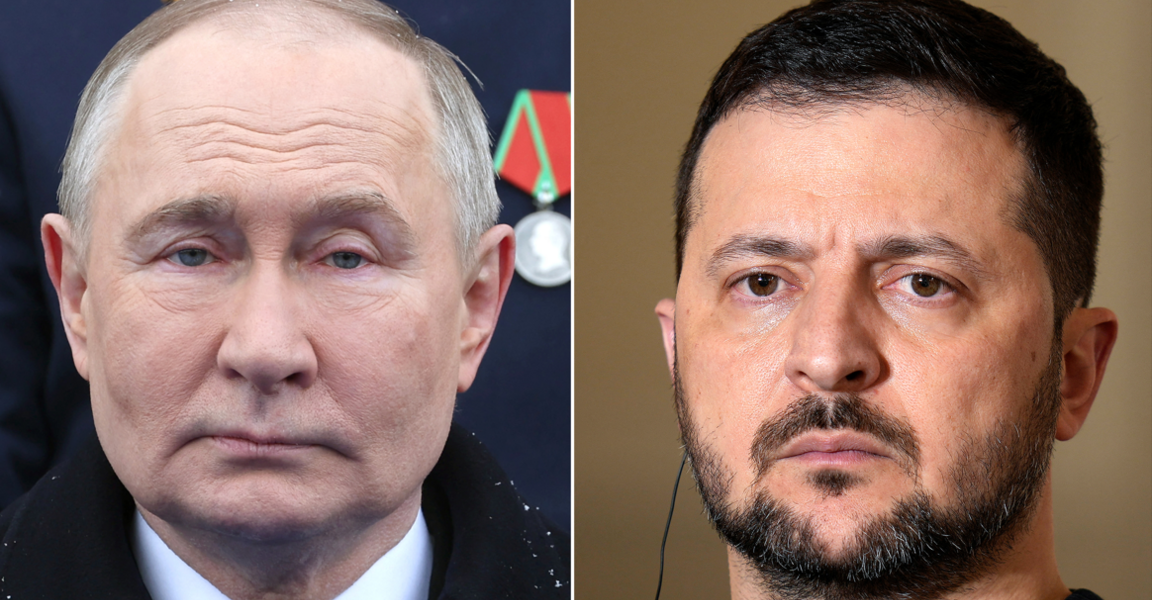
Russia has again claimed that Ukraine carried out a drone attack on one of President Vladimir Putin’s residences, but has declined to present any evidence to support the allegation, drawing skepticism from Ukraine, Western governments and independent analysts.
The Kremlin said on Tuesday, December 30, that dozens of drones targeted a presidential residence in Russia’s Novgorod region, south of St. Petersburg, dismissing denials as “absurd assertions.” Russian officials have so far refused to release physical proof of the alleged incident.
According to the Kremlin, the claim was discussed during a phone call between Putin and Donald Trump. Trump initially suggested he accepted Putin’s account but later acknowledged uncertainty over whether the attack actually occurred. Trump has been advocating renewed peace talks between Moscow and Kyiv, though major disagreements persist.
Kremlin spokesperson Dmitry Peskov described the alleged drone operation as a “terrorist attack,” claiming it was aimed at undermining diplomatic efforts to resolve the war in Ukraine. However, no corroborating evidence has emerged.
There were no reports from residents in the Novgorod region of drone activity at the time the attack was said to have occurred. The Valdai presidential residence, a heavily fortified complex near Lake Valdai, is located far from Ukraine’s border. Analysts also noted the absence of social media footage, which typically surfaces quickly following major drone incidents in Russia.
Ukrainian President Volodymyr Zelensky rejected the allegation, calling it entirely fabricated and accusing Moscow of using provocative claims to derail diplomatic efforts.
Ukraine’s Foreign Minister Andrii Sybiha said Russia had failed to present any credible evidence nearly a day after making the accusation, insisting no such attack took place.
Lithuania, a NATO member bordering northwestern Russia, suggested the allegation could be a false-flag operation intended to justify further Russian strikes. The Institute for the Study of War also questioned the claim, citing the lack of air-defence footage, regional reports or eyewitness accounts.
Independent Russian outlet Agentstvo reported that the head of the Valdai district made no mention of any attack during a live broadcast around the time the incident was allegedly unfolding. The outlet also found no evidence of drone activity on public social media channels in nearby Valdai town.
Russian Foreign Minister Sergey Lavrov was the first senior official to publicly raise the allegation, initially claiming that 91 drones were intercepted without damage. Russia’s Defence Ministry later revised the figure, saying 41 drones were shot down in the Novgorod region during the same period.
Lavrov warned that Russia’s negotiating stance in peace talks could be reassessed and said potential retaliatory targets had already been identified.
When pressed on the lack of evidence, Peskov said proof was unnecessary, insisting the drones were neutralised by Russian air defences. Zelensky later said Moscow was spreading false narratives to justify continued attacks and prolong the war, adding that international intelligence agencies would know whether such an incident occurred.