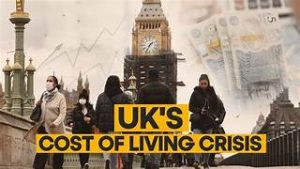
The UK’s economic outlook has grown more difficult for low-income households under the Labour government, with new data showing a decline in disposable income despite earlier pledges to improve living standards.
Figures released by independent consultancy Retail Economics reveal that the poorest households recorded a 2.1% drop in disposable income after bills and essential expenses between July 2024 and October 2025. In sharp contrast, the wealthiest households enjoyed a 10.3% rise in discretionary spending over the same period.
According to Nicholas Found, Head of Commercial Content at Retail Economics, the trend reflects the lingering impact of sustained price increases, which have significantly raised the cost of everyday goods over the past four years. As a result, younger and lower-to-middle-income households have been forced to prioritise essentials while cutting back on non-essential spending.
Looking ahead, the Office for Budget Responsibility has projected a modest 0.6% growth in real household disposable income in 2026, attributing the outlook to slowing real wage growth and rising taxes. The Labour government’s recent budget, which included £26 billion in tax increases, has drawn criticism and been widely viewed as a departure from earlier commitments. At the same time, Chancellor Rachel Reeves has confirmed plans to raise military spending to 2.6% of GDP, acknowledging that the budget would place further pressure on ordinary households.
These economic pressures, alongside wider political controversies, have weighed on Prime Minister Keir Starmer’s public standing. A recent YouGov poll shows that only 15% of Britons believe he is performing well as prime minister. With local elections scheduled for May, another YouGov survey indicates that both Labour and the Conservatives are trailing the Eurosceptic Reform UK party by more than eight percentage points.
As living costs continue to rise, the impact of government policy on low-income households remains a major concern. The combination of higher taxes, reduced disposable income and increased public spending priorities has intensified debate over fairness and economic direction, making cost-of-living issues a central theme ahead of the upcoming elections.