
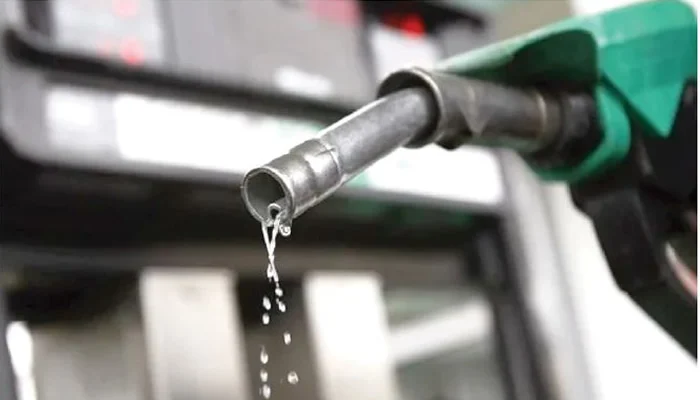
Private petroleum depots in Lagos and other major fuel trading centres have raised the ex-depot price of Premium Motor Spirit (PMS) to as high as N800 per litre, according to findings by Sunday PUNCH.
Data from petroleumprice.ng showed that average depot prices surged sharply within 48 hours, squeezing marketers’ margins and heightening fears of an imminent rise in pump prices nationwide.
In Lagos, Dangote Depot, which typically offers the lowest prices, sold petrol at N703 per litre on Friday, up slightly from N702.50 on Wednesday, December 31, 2025. While the increase at Dangote was marginal, other private depots implemented far steeper hikes.
Eterna and Integrated depots raised prices to N800 per litre on Friday, from N726 per litre earlier in the week at Shellplux and AIPEC—an increase of N74 per litre within two days. Aiteo and Lister depots also adjusted prices upward, selling petrol at N780 per litre, compared with the N750–N760 range recorded on Wednesday.
Price pressures were even more pronounced in Warri, a key petroleum logistics hub. Although Matrix Energy and other major depots sold petrol at N800 per litre on Wednesday, prices climbed to as high as N805 per litre by Friday. Market sources attributed the faster reaction in Warri to tighter supply lines and higher transportation costs, as marketers reposition inventories ahead of anticipated scarcity.
The surge comes barely weeks after Dangote Petroleum Refinery cut its ex-depot petrol price from N828 to N699 per litre, effective December 11, 2025. The reduction marked the refinery’s 20th price adjustment this year and helped ease prices following the removal of fuel subsidies.
Industry operators have linked the latest price increases to the temporary shutdown of the petrol unit at the Dangote Refinery, which had emerged as a major domestic supplier and helped stabilise prices.
Commenting on the development, the Chief Executive Officer of petroleumprice.ng, Jeremiah Olatide, said importers were attempting to recover losses incurred in December. He explained that the aggressive price cut by Dangote forced many marketers to sell below their landing costs.
“This price uptick is a deliberate move by importers to recoup losses from the massive price slash by the Dangote Refinery in December,” Olatide said.
He added that marketers were already factoring in possible supply tightness in January due to ongoing upgrades at the refinery, which could temporarily constrain domestic supply.
“Importers anticipate supply constraints in January and see this as an opportunity to make up for December losses,” he noted, adding that some depot operators were deliberately withholding volumes in storage in anticipation of higher prices.
“They are holding products in tanks, hoping to sell above their landing cost once any supply disruption occurs,” he said.
However, Olatide cautioned that such a strategy may be short-lived, noting that the Dangote Refinery could respond aggressively once operations normalise.
“With supply stabilisation, we may see a fightback from the refinery,” he added.
With Dangote’s output temporarily reduced, private depot owners have begun repricing available stock, citing rising replacement costs, foreign exchange volatility and uncertainty around import schedules.
The petroleumprice.ng report also noted that Brent crude closed at $60.20 per barrel on Friday, while the naira weakened further in the parallel market, trading at N1,495/$ compared with N1,475/$ on Wednesday—adding pressure to fuel prices.
Industry analysts warn that depot price increases typically precede adjustments at filling stations, and if the trend persists, retail petrol prices could exceed N700 per litre in several cities.
Marketers say escalating logistics costs, financing challenges and exchange-rate volatility have compressed margins, making it difficult to absorb depot price increases without raising pump prices.
Since the full deregulation of Nigeria’s downstream petroleum sector, petrol prices have been determined by market forces such as crude prices, exchange rates, logistics and supply availability. While the 650,000-barrel-per-day Dangote Refinery had raised hopes of greater price stability through local refining, its temporary petrol unit shutdown has exposed ongoing vulnerabilities in the supply chain as imports remain costly.
