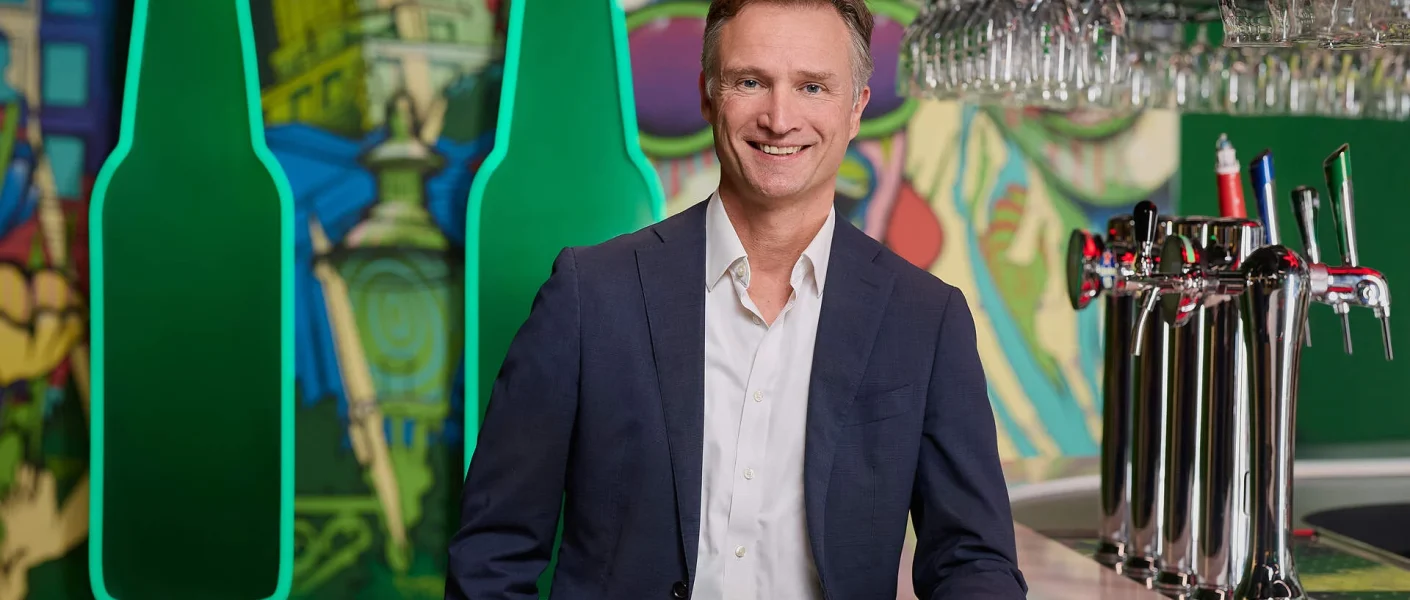
Heineken chief executive Dolf van den Brink has announced his resignation, bringing an unexpected end to a six-year tenure that began during the COVID-19 pandemic and spanned a turbulent period for the global beer industry.
The brewer said on Monday, January 12, that van den Brink, who became CEO in June 2020, will step down on May 31 and remain with the company as an adviser for a further eight months. Heineken’s supervisory board confirmed that a search is underway for his successor to lead the group, which owns brands such as Heineken, Amstel and Tiger.
Van den Brink and supervisory board chairman Peter Wennink said the leadership change comes just months after the company unveiled its strategy through 2030. They noted that Heineken has reached a point where a transition in leadership would best support the execution of its long-term ambitions. Van den Brink said he would remain fully focused on delivering the strategy until his departure.
Shares in the world’s second-largest brewer fell about 2 per cent in early European trading following the announcement.
His departure makes him the latest consumer-sector chief executive to exit amid prolonged pressure on household budgets and softer demand for discretionary products. Beer makers have struggled to revive sales as consumption has been repeatedly affected by weather disruptions, geopolitical uncertainty, and changing preferences among younger consumers. Investor concerns have also been heightened by the growing use of weight-loss drugs, which are seen as potentially reducing food and beverage consumption.
Heineken has faced criticism for lagging some peers in cost efficiency and shareholder returns. The incoming chief executive will be tasked with delivering the company’s 2030 strategy, which focuses on targeted brand and market investments and sets clear goals for sales growth, profitability and cost savings.
During his tenure, van den Brink steered Heineken through pandemic shutdowns, inflationary pressures, and currency volatility in key markets such as Nigeria and Vietnam. He also managed investor backlash over forward guidance, oversaw acquisitions in India and South Africa, and led a major restructuring programme. In 2025, Heineken clashed with European retailers over pricing, resulting in the temporary removal of its products from some store shelves.