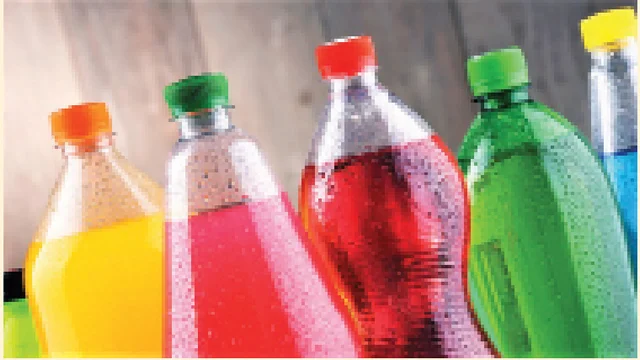
The World Health Organization (WHO) has urged governments to significantly raise taxes on sugary drinks and alcohol to protect public health and save lives.
WHO warns that beverages like sugary drinks and alcohol remain widely accessible and inexpensive in much of the world, contributing to obesity, diabetes, cancer, and injuries.
“Health taxes have been shown to reduce consumption of these harmful products, helping prevent disease and easing pressure on health systems. At the same time, they generate revenue that governments can invest in health, education, and social protection,” WHO Director-General Dr. Tedros Ghebreyesus said during a virtual press briefing on Tuesday.
The WHO report highlights that at least 116 countries currently impose taxes on sugar-sweetened beverages. However, many high-sugar products—including carbonated sodas, 100% fruit juices, sweetened milk drinks, and ready-to-drink coffees and teas—often escape taxation.
Regarding alcohol, 167 countries levy taxes on wine, beer, and spirits. Yet, the report notes that alcohol has become more affordable—or remained at the same price—in most nations since 2022, as taxes have not been adjusted for inflation or rising incomes.
“A cold, sweet pick-me-up from your local coffee shop might seem harmless, but regular consumption can have serious health consequences,” the report stated.
Regular intake of sugary drinks is linked to obesity, Type 2 diabetes, cardiovascular disease, dental problems, and osteoporosis. Alcohol consumption increases maternal and child health risks, exposure to communicable and non-communicable diseases, mental health challenges, and the likelihood of injury to oneself and others.
WHO emphasizes that higher taxes on harmful beverages lead to reduced consumption. Citing examples of success, Dr. Tedros pointed to the United Kingdom, which introduced a sugar-sweetened beverage tax in 2018. This policy led to lower sugar consumption, generated £338 million in revenue in 2024 alone, and contributed to a reduction in obesity rates among 10- and 11-year-old girls, particularly in disadvantaged communities.
The WHO is calling on governments to raise and redesign taxes as part of a broader health initiative aimed at curbing tobacco use and the overconsumption of alcohol and sugary drinks.