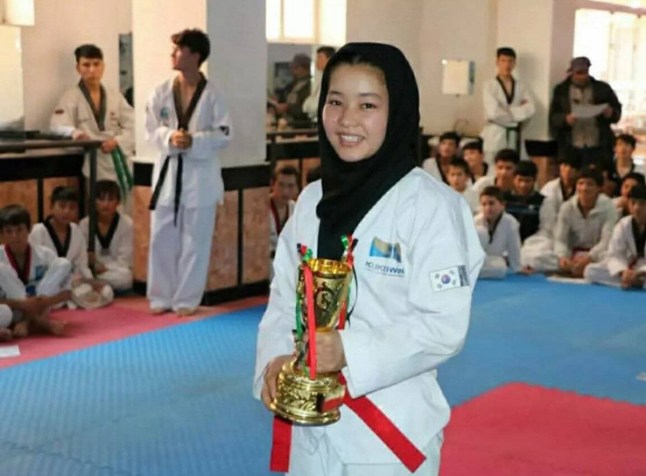
A 22-year-old Afghan woman who secretly trained girls in taekwondo is facing the threat of execution after being arrested for defying Taliban restrictions on women’s sports.
Khadija Ahmadzada was detained on January 10 in the western city of Herat after authorities discovered she had been teaching taekwondo to girls in a concealed courtyard at her home. The Taliban has banned women and girls from participating in sports since returning to power in 2021.
Her arrest has sparked alarm among human rights activists, who fear she may have already been sentenced to death. Campaigners say they are urgently trying to draw international attention to her case in the hope of preventing her execution.
British-Afghan activist Shabnam Nasimi said Ahmadzada was targeted for refusing to accept restrictions imposed on women. According to Nasimi, witnesses reported that Taliban morality police raided her home and arrested her for organising the training sessions.
Nasimi said there are unconfirmed reports suggesting a Taliban court may have issued an extreme punishment against Ahmadzada for violating the ban on women participating in sports. She added that Ahmadzada and her father were allegedly taken from their home and have been held for more than a week, with the family reportedly receiving no communication from her since her arrest.
Activists have launched an online campaign calling for widespread attention to Ahmadzada’s case, urging people to share her name and story to pressure the Taliban.
“When the international spotlight focuses on a regime like this, they hesitate,” Nasimi said. “Not out of conscience, but out of fear of consequences, pressure and exposure.”
Since the Taliban seized power in 2021, Afghan women and girls have faced sweeping restrictions on their rights and freedoms. Girls have been barred from secondary and higher education, women are required to cover themselves fully in public, and their movement and social interactions are tightly controlled.
The Taliban has also imposed bans on women’s voices in public spaces, including singing and, in some cases, speaking to one another, as part of its so-called “vice prevention” policies.
Human rights groups say Ahmadzada’s case reflects the broader crackdown on Afghan women who resist the regime’s restrictions, even through peaceful and private acts.