
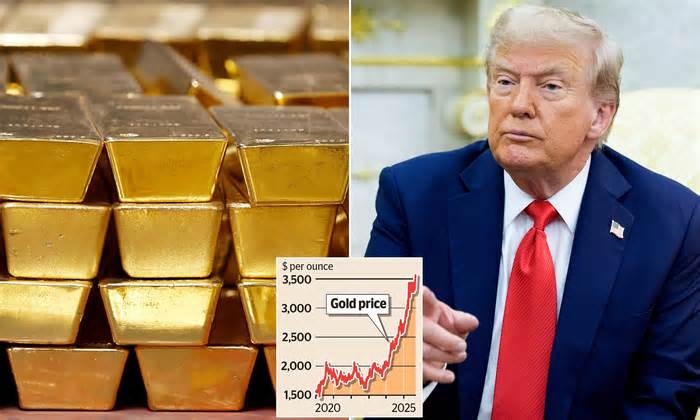
Gold and silver prices fell sharply on Friday, January 30, after investors reacted to Donald Trump’s decision to nominate a new head of the Federal Reserve, easing concerns about the central bank’s future independence.
The sell-off gathered pace after reports—later confirmed—that Trump had selected former Federal Reserve official Kevin Warsh to replace Jerome Powell, whose term ends in May. Trump confirmed the nomination on Truth Social, describing Warsh as “one of the GREAT Fed Chairmen, maybe the best,” and praising his reliability and leadership.
Kathleen Brooks, research director at XTB, said the “interesting pick” may reassure markets that the Fed’s independence will be maintained. Trump’s repeated public criticism of Powell had previously unsettled investors, raising fears of political interference that could stoke inflation.
Safe-haven assets retreated after surging earlier in the week amid policy uncertainty. Gold dropped more than eight per cent to below $5,000 an ounce, a day after hitting a record high of $5,595.47. Silver fell around 20 per cent to near $90 an ounce, following an all-time peak above $120.
The move capped a volatile week across global markets, marked by a weaker US dollar, renewed tariff threats from Trump, rising tensions with Iran, and concerns about a potential US government shutdown. European stocks closed the week higher, while Wall Street edged slightly lower and Asian markets finished down after a technology-led sell-off.
Earlier optimism driven by strong earnings from companies including Meta, Samsung and SK Hynix faded after Microsoft announced a sharp increase in spending on artificial intelligence infrastructure, reigniting worries that returns on heavy AI investment may take longer to materialise.
Oil prices recovered from early losses on Friday after jumping a day earlier as Trump escalated rhetoric towards Tehran. Megan Fisher, assistant economist at Capital Economics, said tensions between Iran and the US had pushed Brent crude to a six-month high, but added that ample global supply and past precedent were likely to weigh on prices by the end of 2026.