
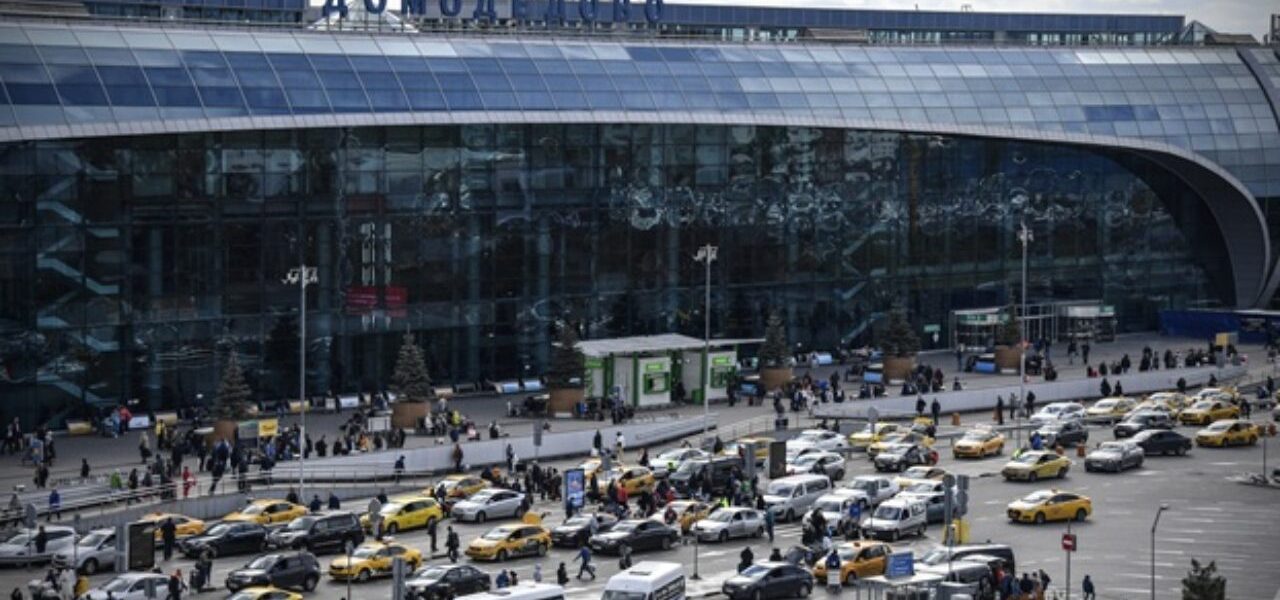
Russia has sold one of its largest aviation hubs, Domodedovo International Airport, months after a court ordered the facility to be nationalised and transferred to state control.
The airport, Russia’s fourth-busiest, has been acquired by a managing company affiliated with Sheremetyevo International Airport, according to a statement released by the buyer on Monday, February 9.
The sale follows a June ruling in which a Russian court determined that Domodedovo’s previous owners, Dmitry Kamenshchik and Valery Kogan, were foreign residents and therefore not permitted to manage a strategic infrastructure asset. The court ordered the airport to be seized and placed under state ownership.
In a press release, Sheremetyevo said it completed the purchase through its wholly owned subsidiary, Perspektiva LLC, in partnership with Bank PSB PJSC.
“Sheremetyevo, represented by its wholly owned subsidiary Perspektiva LLC, and Bank PSB PJSC announce the signing of an agreement for the sale of Domodedovo Airport,” the statement said.
Russian media reports indicate the airport was sold on a second attempt for about $850 million, roughly half of its original $1.6 billion asking price.
Sheremetyevo is majority-owned by private firm TPS Avia Holding alongside the Russian government, which holds a 30 per cent stake. TPS Avia Holding was redomiciled from Cyprus to Russia in 2022, and Russian outlets have previously linked businessman Arkady Rotenberg, a close associate of Vladimir Putin, to the company’s shareholder structure.
Since Russia launched its military operation in Ukraine in 2022, the state has seized or nationalised billions of dollars’ worth of assets. These have included properties connected to Western companies such as Danone and Uniper.
Russian authorities say the measures are aimed at correcting what they describe as flawed privatisations dating back to the chaotic post-Soviet transition of the 1990s. Critics, however, argue that the wave of nationalisations has damaged investor confidence and further deterred long-term foreign investment.