The United States Department of the Treasury has frozen the assets and properties of eight Nigerians accused of links to Boko Haram and the Islamic State of Iraq and the Levant (ISIL).
The action was detailed in a February 10 publication by the Treasury’s Office of Foreign Assets Control (OFAC), contained in its updated Specially Designated Nationals and Blocked Persons List. The document also names individuals sanctioned for cybercrime and other security-related offences.
The development follows recent recommendations by members of the United States Congress calling for visa bans and asset freezes against individuals and groups accused of religious freedom violations and persecution of Christians in Nigeria. Among those reportedly recommended were former Kano State governor Rabiu Kwankwaso, the Miyetti Allah Cattle Breeders Association of Nigeria, and Miyetti Allah Kautal Hore.
According to OFAC, the publication serves as formal notice of sanctions imposed on individuals and entities whose property and interests under US jurisdiction are blocked as part of counterterrorism and security enforcement efforts. US persons are generally prohibited from conducting financial transactions with those listed.
Among the Nigerians named is Salih Yusuf Adamu, also known as Salihu Yusuf, who was previously convicted in the United Arab Emirates in 2022 alongside five others for establishing a Boko Haram cell to raise funds for insurgents. The group was found guilty of attempting to transfer $782,000 from Dubai to Nigeria.
Also designated was Babestan Oluwole Ademulero, listed under counterterrorism sanctions and identified by multiple aliases.
Several individuals linked to Boko Haram and ISIL were included under terrorism-related sanctions. They include Abu Abdullah ibn Umar Al-Barnawi (also known as Ba Idrisa); Abu Musab Al-Barnawi (Habib Yusuf), identified as a Boko Haram leader; Khaled (or Khalid) Al-Barnawi, associated with multiple aliases; Ibrahim Ali Alhassan, reportedly resident in Abu Dhabi; and Abu Bakr ibn Muhammad ibn Ali Al-Mainuki, linked to ISIL.
Nnamdi Orson Benson was separately listed under cyber-related sanctions (CYBER2 designation).
The sanctions, imposed under Executive Order 13224, mean that all property and interests of the designated individuals within US jurisdiction are blocked.
The United States formally designated Boko Haram as a Foreign Terrorist Organization in 2013. According to the United States Department of State, the group has carried out numerous attacks across northern and northeastern Nigeria and in parts of the Lake Chad Basin, including Cameroon, Chad, and Niger, resulting in thousands of deaths since 2009.
Under US law, the Secretary of State determines countries that repeatedly provide support for acts of international terrorism, with designations made pursuant to the National Defense Authorization Act, the Arms Export Control Act, and the Foreign Assistance Act.
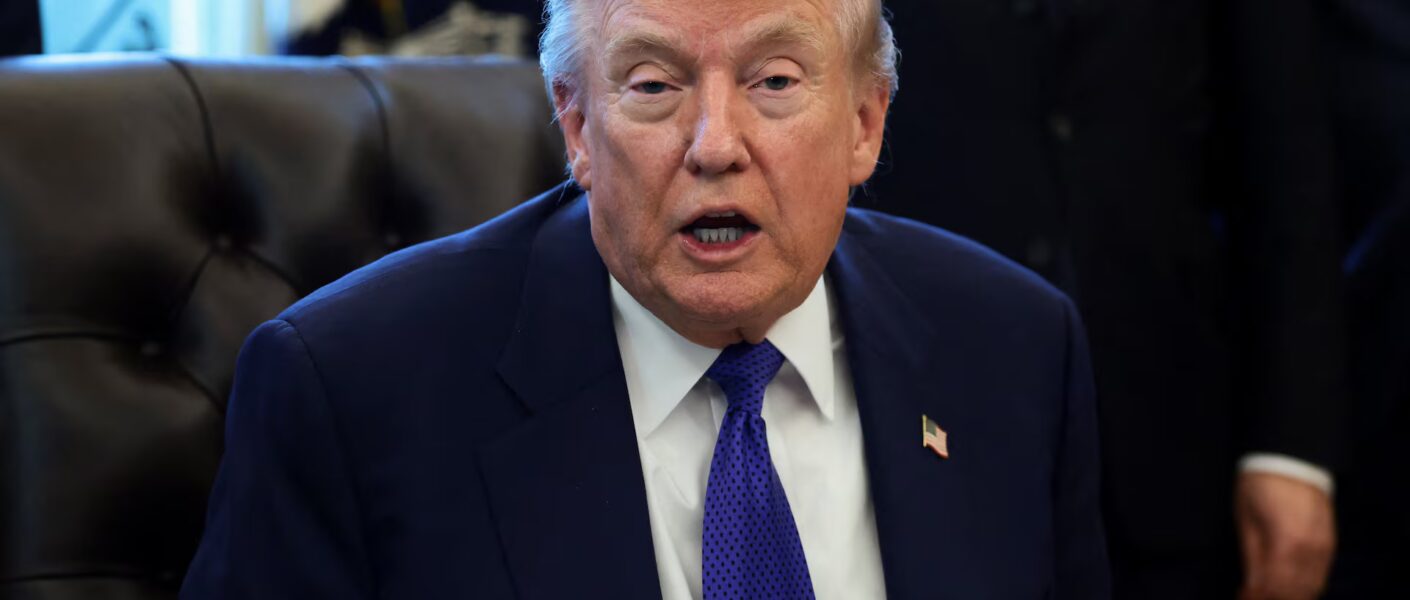
In October 2025, US President Donald Trump announced that Nigeria would again be placed on the State Department’s “Countries of Particular Concern” religious freedom watchlist, alleging persecution of Christians. Nigeria had previously been designated under Trump in 2020 but was removed from the list by President Joe Biden shortly after he took office.
The latest sanctions underscore Washington’s continued focus on disrupting terrorism financing networks and countering cyber and security threats.