
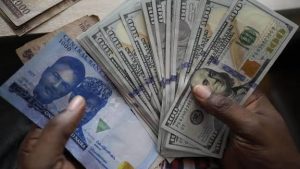
Nigeria’s currency recorded a notable improvement midweek, with the Central Bank of Nigeria (CBN) confirming that the naira closed at ₦1,337 to the US dollar on Tuesday, February 18, 2026.
The update, published on the apex bank’s official platform, shows that the exchange rate represents the naira’s best performance in the official market since May 29, 2024, when it settled at ₦1,329.65 per dollar.
Market analysts attribute the latest appreciation to a combination of stronger dollar inflows, firmer performance in the parallel market, and changing global economic signals that continue to influence emerging-market currencies. Improved liquidity conditions and a more measured investor outlook were evident as the naira advanced across both segments of the foreign exchange market.
Official trading data indicate that the currency strengthened from ₦1,344 per dollar on Monday to ₦1,337 per dollar at the close of trading on Tuesday, extending a gradual recovery trend that has been building in recent sessions.
A similar movement was observed in the parallel market, where the naira exchanged at about ₦1,382.5 per dollar, improving from ₦1,393.35 recorded the previous day. The narrowing gap between official and street rates points to short-term stability, supported by improved supply dynamics and repositioning by currency traders.
External factors also played a role in shaping currency sentiment. The US dollar remained largely stable as investors assessed geopolitical developments and awaited clearer monetary policy signals from the Federal Reserve, particularly regarding the possibility of interest rate cuts later in the year. Such global shifts often influence capital flows into developing economies, including Nigeria.
On the domestic front, monetary policy adjustments continue to frame market expectations. At its 302nd meeting in September 2025, the Monetary Policy Committee reduced the Monetary Policy Rate by 50 basis points, bringing it down from 27.5 per cent to 27 per cent. The committee also reviewed the asymmetric corridor around the policy rate, tightening it to +250/-250 basis points from the previous +500/-100 range.
Together, these domestic and global factors appear to be providing temporary support for the naira, as the market responds to easing pressures and improved confidence in the foreign exchange space.