European Council President António Costa has said Russia appears to be benefiting the most from the ongoing conflict involving the United States, Israel and Iran, as rising energy prices and shifting global attention work in Moscow’s favour.
Speaking to European Union ambassadors in Brussels, Costa said the war — now in its 11th day — has driven global oil and gas prices higher while drawing international focus away from Russia’s war in Ukraine.
“So far, there is only one winner in this war — Russia,” Costa said.
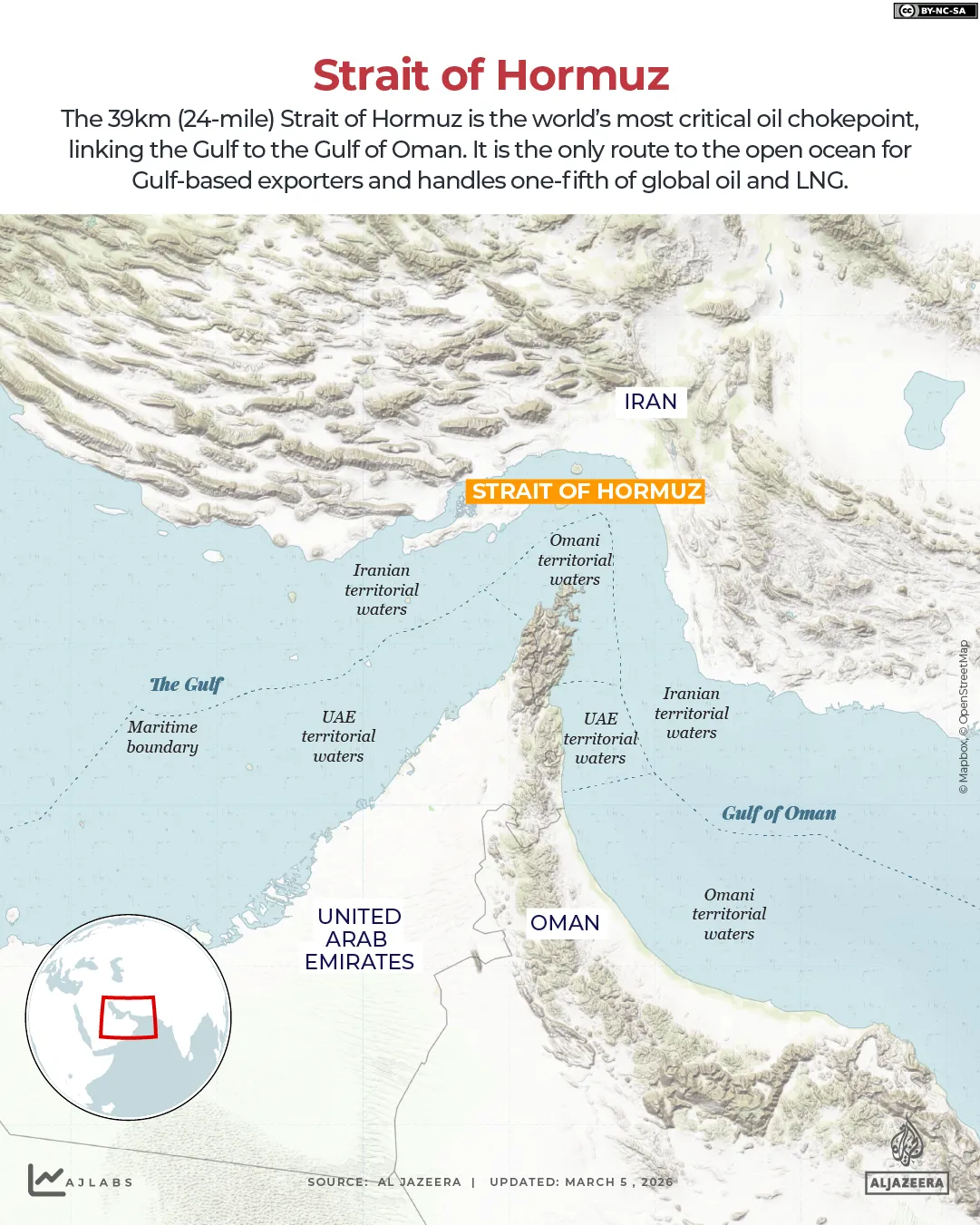
The conflict has intensified across the Middle East, with Iran launching missile and drone attacks against U.S. and Israeli targets as well as energy facilities in Gulf countries. The fighting has also disrupted shipping through the strategic Strait of Hormuz, slowing the flow of oil and natural gas and pushing fuel prices higher worldwide.
Costa warned that the spike in energy prices could boost Russia’s revenues, potentially helping Moscow finance its ongoing military campaign in Ukraine. At the same time, he noted that military resources and global attention that might otherwise support Kyiv are now being redirected to the Middle East.
“As energy prices rise, Russia gains additional resources to fund its war against Ukraine,” he said. “It also benefits from the diversion of military capabilities that could have supported Ukraine and from reduced international focus on the Ukrainian front as the Middle East conflict dominates headlines.”
Costa called on all parties involved in the Middle East crisis to return to negotiations, warning that continued escalation could destabilise not only the region but also Europe and the wider international community.
“Freedom and human rights cannot be achieved through bombs. Only international law can protect them,” he said. “We must avoid further escalation because such a path threatens the Middle East, Europe and the world.”
The U.S.–Israeli strikes on Iran triggered the sharpest surge in global oil prices since the market turmoil that followed Russia’s invasion of Ukraine in 2022.
Costa’s remarks came as the Kremlin confirmed that all sides remain open to continuing U.S.-mediated peace talks between Russia and Ukraine, although a date and location for the next round of negotiations have not yet been announced.
Last year, Russia and Ukraine held several rounds of talks in Türkiye, while additional U.S.-mediated discussions have taken place this year in Abu Dhabi and Geneva. However, major disagreements remain, including Russia’s demand that Ukraine cede control of the entire eastern Donetsk region.
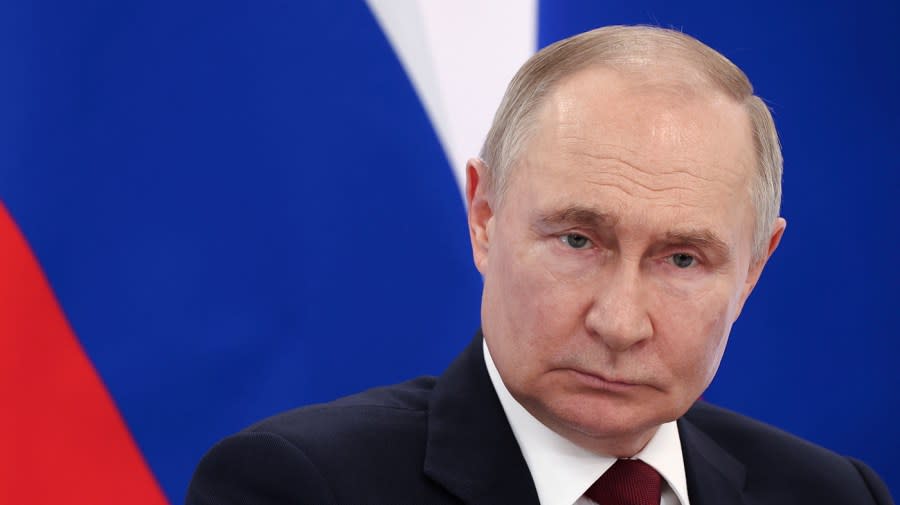
On Monday, U.S. President Donald Trump and Russian President Vladimir Putin also held their first phone call of the year, discussing both the conflict with Iran and the ongoing war in Ukraine.
According to the Kremlin, the possibility of lifting U.S. sanctions on Russian oil was not discussed in detail, though Washington’s efforts were said to be focused on stabilising global energy markets.
Before the Ukraine war began, Europe relied heavily on Russian gas, with more than 40 percent of its supply coming from Russia. By 2025, that figure had dropped to around 13 percent as European countries sought alternative energy sources.
Trump has also indicated that his administration is considering easing some sanctions on oil-producing nations in an effort to stabilise global fuel prices, though he did not specify which countries might benefit.
The United States currently maintains sanctions on the oil sectors of Russia, Iran and Venezuela. However, U.S. Treasury Secretary Scott Bessent recently announced a 30-day waiver allowing limited Russian oil sales to India to help offset disruptions in Middle East energy supplies.