
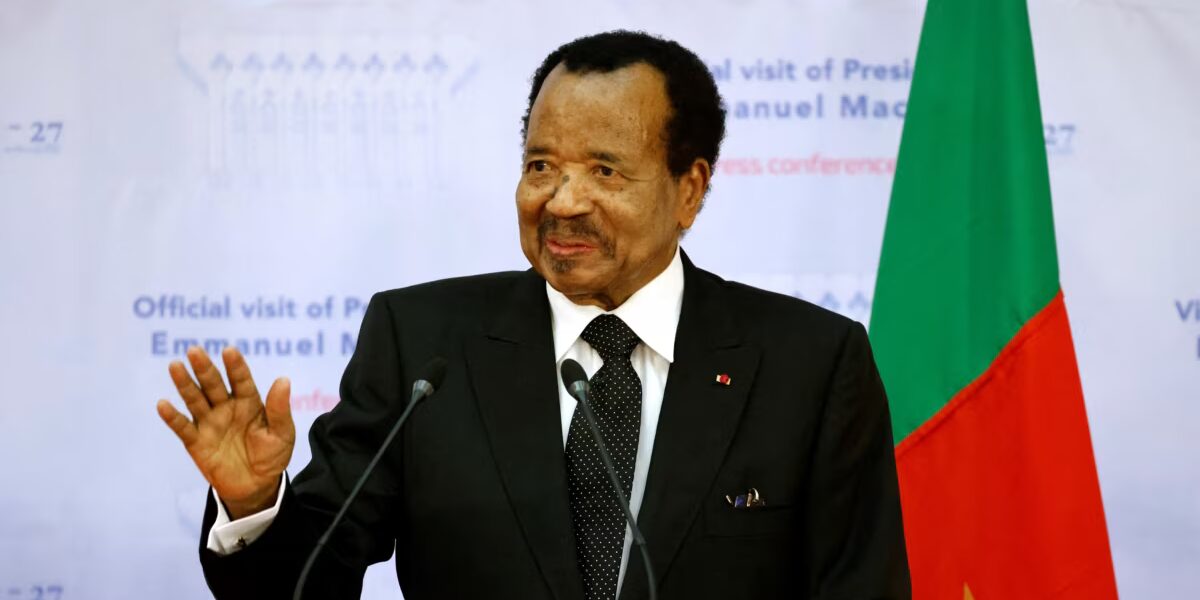
Cameroon is set to introduce a vice president role for the first time in its history after lawmakers approved a controversial constitutional amendment.
In a joint session of parliament, members of the National Assembly and Senate overwhelmingly backed the reform, voting 200 to 18, with four abstentions. The change marks a significant shift in the political structure under longtime leader Paul Biya.
Under the new law, the vice president will automatically assume power if the president dies, resigns, or becomes incapacitated. The position will be filled by presidential appointment, with the vice president serving the remainder of the existing seven-year term. However, the interim leader will not be allowed to amend the constitution or contest the next presidential election.
Paul Biya, 93, has ruled the Central African nation since 1982, making him the world’s oldest serving head of state. Public discussion surrounding his health remains tightly restricted.
Before this amendment, Cameroon’s constitution designated the Senate president as interim leader in the event of a vacancy, followed by a national election.
The opposition Social Democratic Front (SDF), which holds a small number of parliamentary seats, boycotted the vote. The party had advocated for a system in which the vice president would be elected alongside the president, rather than appointed.
It also called for reforms to reflect Cameroon’s linguistic divide between English- and French-speaking regions, proposing that the two highest offices represent both communities—a system that existed prior to 1972.
SDF chairman Joshua Osih criticized the reform, describing it as “a missed historic opportunity” for meaningful political change.
