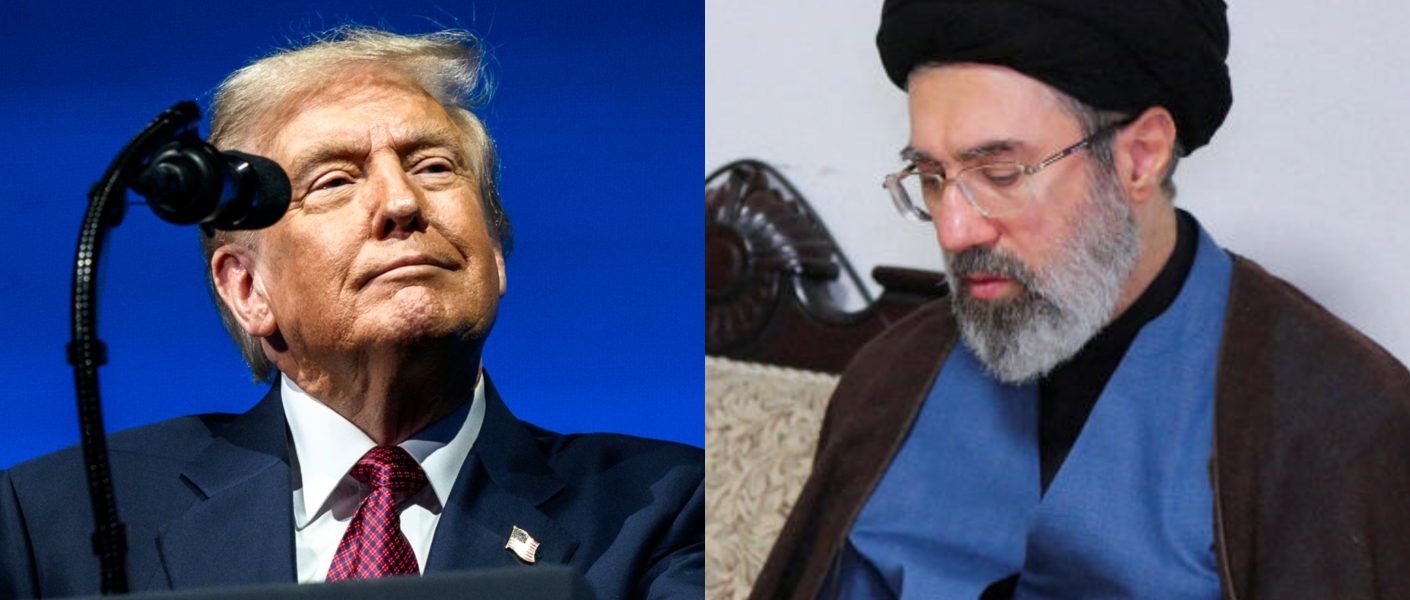
Iran and the United States have reportedly received a fresh proposal aimed at halting ongoing hostilities, featuring an immediate ceasefire followed by a broader peace agreement.
According to reports, the plan—said to be facilitated by Pakistan—sets out a two-phase approach. The first stage calls for an immediate ceasefire, which could lead to the reopening of the strategically important Strait of Hormuz. The second stage would involve negotiating a comprehensive deal within 15 to 20 days.
The proposal, informally dubbed the “Islamabad Accord,” is expected to begin as a memorandum of understanding, with final terms to be concluded through direct negotiations in Islamabad.
Pakistan is playing a central role in coordinating the initiative, acting as a key intermediary between both sides. High-level engagements are reportedly ongoing, involving senior officials and regional mediators.
If implemented, the ceasefire would quickly ease tensions and restore shipping through the Strait of Hormuz, a critical artery for global oil and gas supplies. The longer-term agreement is expected to include Iran limiting aspects of its nuclear programme in exchange for sanctions relief and access to frozen assets.
However, Iran has yet to formally accept the proposal. Sources say discussions are still underway, with additional diplomatic efforts from countries such as Turkey and Egypt aimed at securing Tehran’s support.
The push for a truce comes amid escalating tensions that have rattled energy markets and raised concerns over global supply chains. The Strait of Hormuz—through which a significant share of the world’s energy exports flows—remains a key focus of the negotiations.
Growing pressure from U.S. leadership has also added urgency to the talks, with calls for a swift resolution to prevent further escalation.