
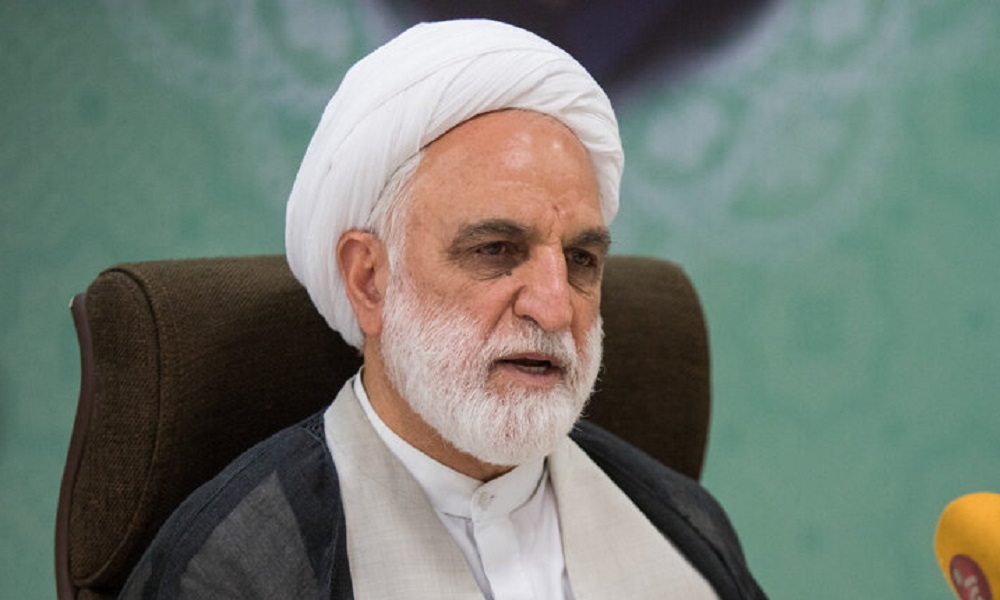
Iran’s judiciary chief, Gholamhossein Mohseni Ejei, has called on courts to accelerate rulings tied to the ongoing conflict involving the United States and Israel, including the implementation of death sentences—prompting alarm from human rights advocates.
Since the outbreak of hostilities on February 28, Iran has executed seven individuals linked to protests in January. Among those executed were six people accused of membership in the banned opposition group People’s Mujahedin of Iran, as well as a dual Iranian-Swedish national convicted of allegedly spying for Israel.
Rights organisations warn that dozens more could face similar punishment over protest involvement or alleged cooperation with foreign adversaries during the conflict.
Speaking during a televised meeting with senior judicial officials, Ejei urged faster legal action, including the issuance of death sentences and the confiscation of assets. He emphasized that existing espionage laws should be applied more swiftly to those accused of aiding enemy forces.
Exiled Iranian Nobel laureate Shirin Ebadi criticised the move, arguing that authorities are intensifying repression rather than protecting citizens from external threats. She pointed to rising executions and property seizures targeting dissenters.
Human rights groups say two teenagers are among those executed following the January protests, which were violently suppressed and reportedly resulted in thousands of deaths. Iranian authorities have described those convicted as “terrorists” acting on behalf of Israel and the United States, but activists claim many faced unfair trials.
The Abdorrahman Boroumand Center said the use of expedited and opaque judicial processes during wartime appears intended to instill fear and reinforce state control.
Amid continued arrests, Iran’s police chief Ahmad Reza Radan stated that 85 individuals had been detained across 25 provinces for allegedly participating in a coordinated network accused of passing sensitive location data to hostile forces. Authorities say further details will be disclosed.
Human rights organisations have also accused Iranian authorities of using torture to extract forced confessions, some of which are reportedly broadcast on state television.