
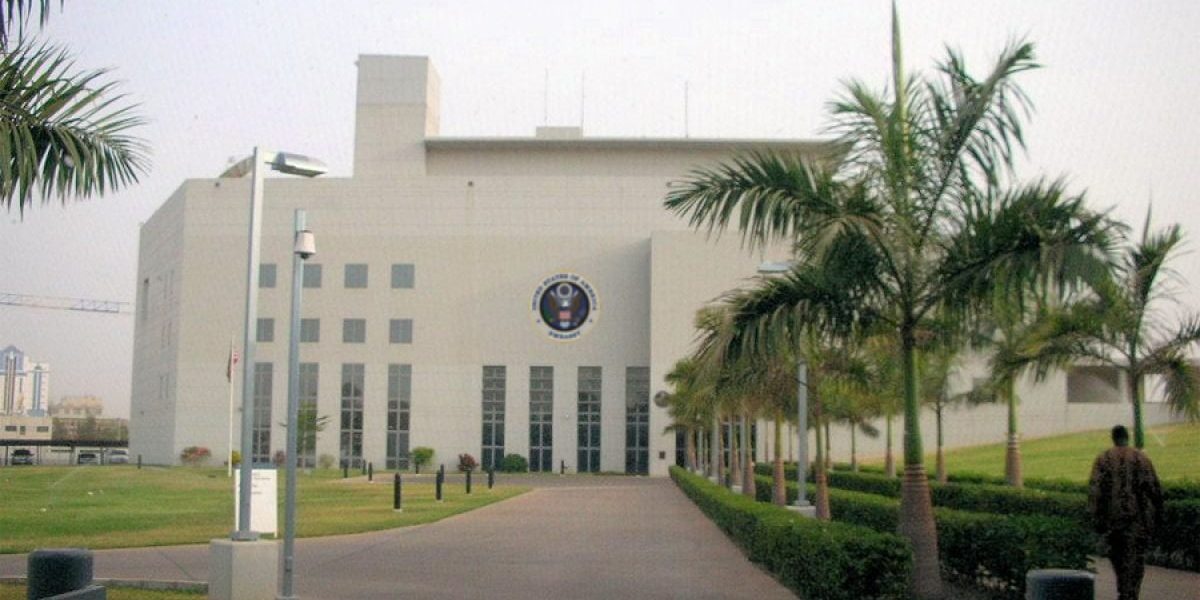
The United States Department of State has authorised the departure of non-essential government personnel and their families from the U.S. Embassy in Abuja, citing worsening security conditions across Nigeria.
In a travel advisory issued on Wednesday, April 8, 2026, the department urged Americans to reconsider travelling to Nigeria due to risks including crime, terrorism, kidnapping, and civil unrest.
Nigeria remains under a “Level 3: Reconsider Travel” advisory, while several states have been designated “Level 4: Do Not Travel,” the highest warning level.
The latest update added Plateau, Jigawa, Kwara, Niger, and Taraba states to the no-travel list, bringing the total number of high-risk states to 23.
“On April 8, 2026, the Department of State authorised non-emergency U.S. government employees and their family members to depart U.S. Embassy Abuja due to the deteriorating security situation,” the advisory stated.
It warned that conditions in affected areas remain volatile due to terrorism, armed crime, and civil unrest, with security operations capable of occurring without prior notice.
States listed under Level 4 in the North include Borno, Jigawa, Kogi, Kwara, Niger, Plateau, Taraba, Yobe, and parts of Adamawa, largely due to terrorism and kidnapping threats. Others such as Bauchi, Gombe, Kaduna, Kano, Katsina, Sokoto, and Zamfara were flagged over widespread violence, banditry, and unrest.
In the South and Southeast, Americans were advised to avoid Abia, Anambra, Bayelsa, Delta, Enugu, Imo, and Rivers states (excluding Port Harcourt), citing high levels of crime, kidnapping, and instability.
The advisory stressed that violent crimes — including armed robbery, carjacking, and kidnapping for ransom — are widespread, noting that U.S. citizens are often targeted because they are perceived as wealthy.
It also warned that terrorist attacks remain a nationwide threat, particularly in crowded locations such as markets, malls, hotels, places of worship, and public events.
Additionally, the department highlighted concerns about Nigeria’s healthcare system, describing medical services as limited and inconsistent, and often below U.S. or European standards.
Despite the risks, the State Department advised Americans who choose to travel to Nigeria to enrol in the Smart Traveler Enrollment Program (STEP), remain vigilant, avoid large gatherings and protests, and establish personal safety measures, including “proof of life” protocols.