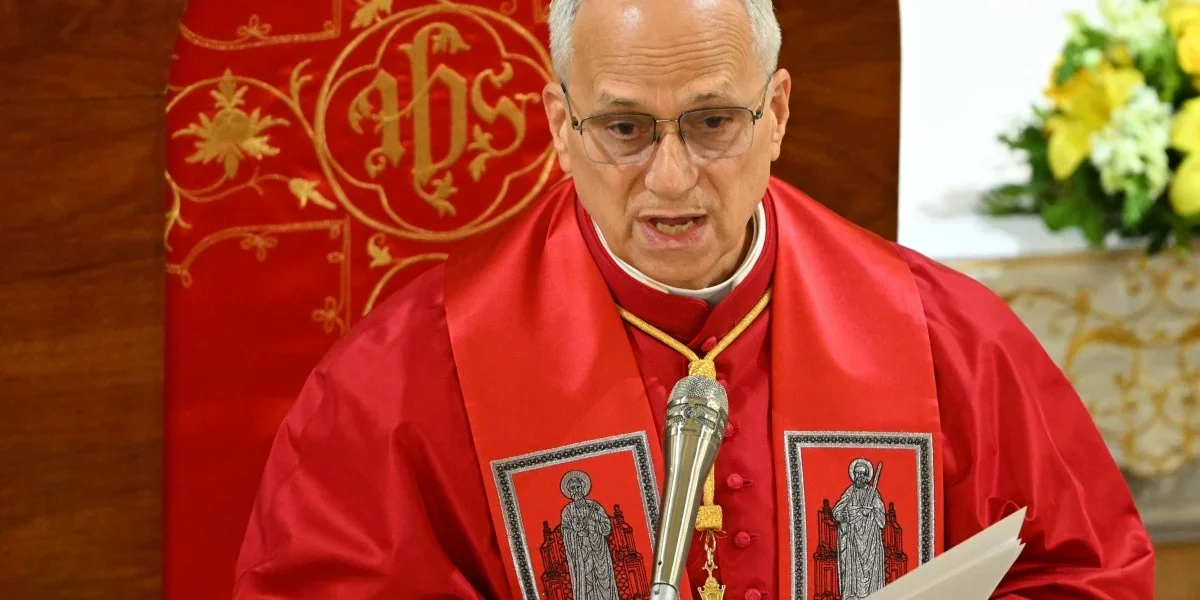
Pope Leo XIV is set to begin an 11-day tour of Africa on Monday, April 13, marking his first major international trip since becoming head of the Catholic Church last year.
The 70-year-old pontiff will visit Algeria, Cameroon, Angola, and Equatorial Guinea, covering more than 18,000 kilometres. During the trip, he is expected to address key global issues including interfaith dialogue, peacebuilding, inequality, and human rights. His itinerary includes 11 speeches, seven masses, and multiple high-level engagements before returning on April 23.
In Algeria, the pope will make history as the first pontiff to visit the predominantly Muslim nation. His schedule includes a tour of the Great Mosque of Algiers, meetings with President Abdelmadjid Tebboune, and a visit to Annaba, linked to the Augustinian order. While church leaders have welcomed the visit, rights groups have urged him to raise concerns about religious freedom.
In Cameroon, attention will focus on peace and reconciliation, particularly in the conflict-affected English-speaking regions. The pope is expected to visit Bamenda, a key area in the crisis, meet President Paul Biya, and engage with Catholic institutions such as schools and hospitals.
His visit to Angola will centre on economic inequality. Despite the country’s vast natural resources, many citizens face poverty, and the pope is expected to call for fairer wealth distribution and stronger anti-corruption measures. However, some locals have criticised the cost of hosting the visit.
In Equatorial Guinea, where President Teodoro Obiang Nguema Mbasogo has ruled for decades, the pope will navigate a sensitive political environment. With a large Catholic population, he is expected to speak on human rights and social justice while maintaining diplomatic caution.
The trip will be his third international journey outside Italy, following earlier visits to Turkey, Lebanon, and Monaco, and is seen as a significant moment for the Vatican’s engagement with Africa.