As the 2026 FIFA World Cup approaches, excitement is building worldwide for what promises to be a historic tournament. The competition will be jointly hosted by the United States, Canada, and Mexico, marking the first time three countries will stage the event, as well as the first edition to feature an expanded 48-team format.
Matches will be played across 16 cities in cutting-edge stadiums, setting the stage for 104 games in a variety of climates and conditions. The United States will host the majority of fixtures, including the final, with games spread across 11 venues.
MetLife Stadium in New York/New Jersey, with a capacity of 82,500, will host the final on July 19. AT&T Stadium in Dallas, the largest venue with a capacity of 94,000, is expected to stage a semi-final. Other key U.S. venues include Mercedes-Benz Stadium in Atlanta, SoFi Stadium in Los Angeles—set to host the U.S. opening match on June 12—Lumen Field in Seattle, Gillette Stadium in Boston, Lincoln Financial Field in Philadelphia, Arrowhead Stadium in Kansas City, Hard Rock Stadium in Miami (which will host the third-place match), NRG Stadium in Houston, and Levi’s Stadium in the San Francisco Bay Area.
Mexico will host matches in three iconic stadiums. Estadio Azteca in Mexico City, with a capacity of 83,000, will make history as the first stadium to host World Cup matches in three different tournaments and will stage the opening game on June 11. Estadio Akron in Guadalajara and Estadio BBVA in Monterrey will also serve as venues.
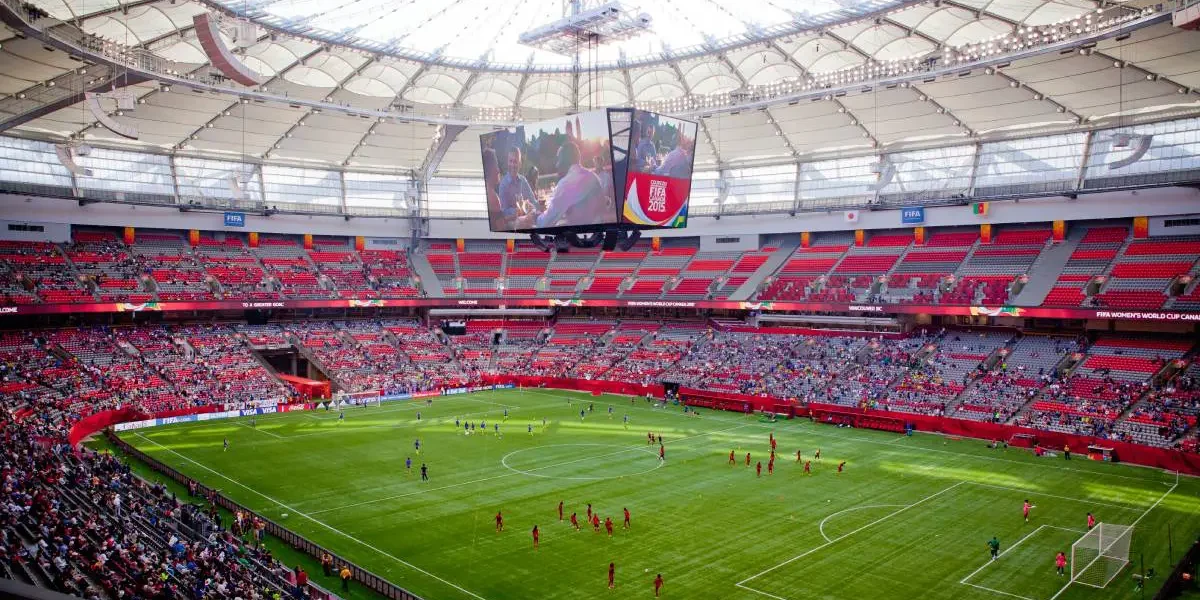
Canada’s matches will take place in Vancouver’s BC Place and Toronto’s BMO Field. BC Place, known for its retractable roof, previously hosted events during the 2010 Winter Olympics, while BMO Field has been expanded to a 45,000-seat capacity for the tournament and will host Canada’s opening match on June 12.
With world-class infrastructure and a record number of participating teams, the 2026 World Cup is set to deliver one of the most expansive and diverse tournaments in football history.