
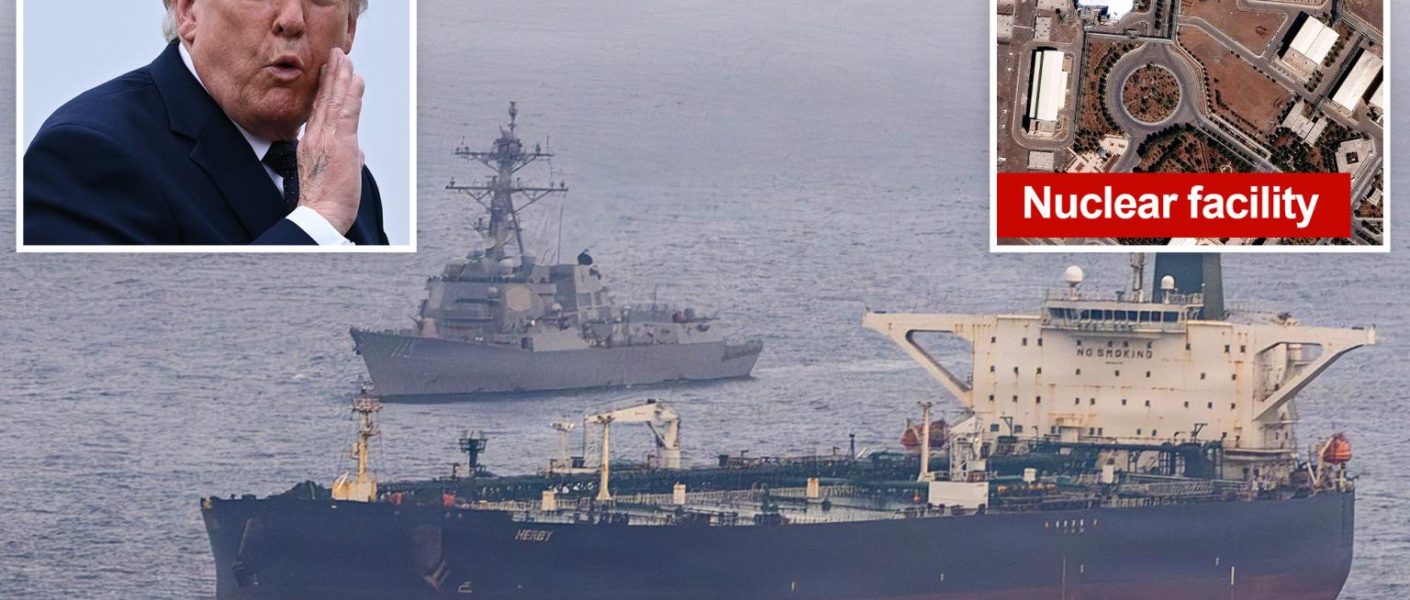
Donald Trump’s administration has said Iran will not receive any sanctions relief unless it gives up its stockpile of enriched uranium, as talks over a possible peace agreement continue.
The White House has adopted what officials described as a “no dust, no dollars” approach, insisting that Tehran must surrender its nuclear material before benefiting from significant economic relief.
Trump revealed on Saturday that the United States and Iran were close to signing a memorandum of understanding that could reopen the Strait of Hormuz, restore oil shipments, and allow an additional 30 days for further nuclear negotiations.
The proposal, however, triggered concerns among some Republicans and pro-Israel supporters, prompting administration officials to clarify that no final agreement had been reached and that discussions could continue for several more days.
A senior administration official said Iran would gain little from the deal unless it follows through on commitments to dispose of its enriched uranium reserves.
“Both sides must take their time and get it right. There can be no mistakes!” Trump wrote on Truth Social, a day after describing the agreement as “largely negotiated.”
According to the official, about “95 percent” of the agreement has been completed, although negotiators are still working on the final details.
The administration also stressed that there would be no repeat of the controversial cash payments linked to former President Barack Obama’s 2015 nuclear deal with Iran.
“No dust, no dollars — meaning no highly enriched uranium, then the Iranians aren’t going to get any real relief,” the official stated.
Officials said the proposed agreement would include stricter enforcement mechanisms than the previous Joint Comprehensive Plan of Action (JCPOA).
Republican senators, including Lindsey Graham and Ted Cruz, have expressed concerns that a rushed agreement could undermine Israel’s security and repeat mistakes from past negotiations.
Negotiators are reportedly discussing a long-term ban on uranium enrichment, though talks are ongoing over how Iran’s nuclear stockpile would be dismantled or removed.
The administration acknowledged that the issue remains politically sensitive within Iran, where leaders are balancing international demands with domestic pressure.
According to U.S. officials, Iran has agreed “in principle” to dispose of its highly enriched uranium, while negotiations continue over the process and timeline.
Trump has also suggested destroying Iran’s estimated 1,000 pounds of highly enriched uranium if it is handed over under the proposed deal.
The agreement under discussion would reportedly reopen the Strait of Hormuz in exchange for easing blockades and lowering tensions after months of conflict.
Officials say the final stage of negotiations has become increasingly delicate as competing political interests seek to shape the outcome of the talks.