
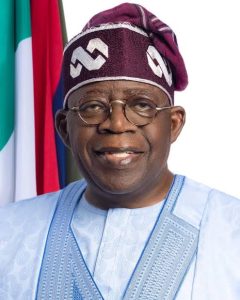
In Nigeria’s ever-evolving political landscape, President Bola Ahmed Tinubu continues to be widely regarded as one of the country’s most resilient and strategic political figures following his emergence in the 2023 presidential election.
Tinubu’s path to the presidency was marked by intense political opposition, economic uncertainty and internal party tensions, making the election one of the most challenging political contests in Nigeria’s recent democratic history.
During the campaign period, the now-president faced resistance not only from opposition parties but also from influential political figures and shifting alliances within the political establishment.
The fuel scarcity crisis and the controversial naira redesign policy further heightened economic pressure across the country at a crucial stage of the electioneering process, creating additional challenges for political actors and citizens alike.
Despite the difficulties, Tinubu maintained confidence throughout the campaign and continued to push forward with his presidential ambition.
His widely publicised “Emi Lokan” declaration, interpreted as “It is my turn,” became a defining slogan of the campaign and symbolised his determination to secure the presidency after decades of political influence and coalition-building.
Political observers noted that some former allies and associates distanced themselves from Tinubu during the heated political season, while others openly opposed his presidential aspiration.
However, rather than engaging in public political battles, Tinubu largely maintained a strategic and measured approach, focusing on consolidating support structures across the country.
Analysts believe his eventual victory reflected years of political networking, alliance-building and grassroots mobilisation across Nigeria’s six geopolitical zones.
Over the years, Tinubu has been recognised for building strong political structures, mentoring political figures and maintaining influence within national politics through long-term strategic planning.
Supporters argue that his political strength lies in his understanding of timing, organisation and coalition management rather than reliance on public rhetoric alone.
Now serving as President and Commander-in-Chief of the Federal Republic of Nigeria, Tinubu oversees an administration that has introduced major economic reforms aimed at restructuring the country’s economy and reducing long-standing fiscal challenges.
Some of the administration’s policies have generated debate and criticism due to their short-term economic impact, while supporters insist the reforms are necessary for long-term economic stability and sustainability.
Observers of Nigeria’s political history say Tinubu’s career continues to demonstrate his ability to navigate political turbulence while retaining influence at the highest level of governance.
As discussions about Nigeria’s political future continue, many analysts maintain that Tinubu remains one of the country’s most experienced political strategists, with a reputation for transforming political challenges into opportunities.
