A prominent figure in the Nigeria Democratic Congress (NDC), Buba Galadima, has admitted that efforts to forge broad support for a Peter Obi-Rabiu Kwankwaso presidential ticket have faced challenges.
However, he stressed that the obstacles are not insurmountable and expressed confidence that they can be overcome.
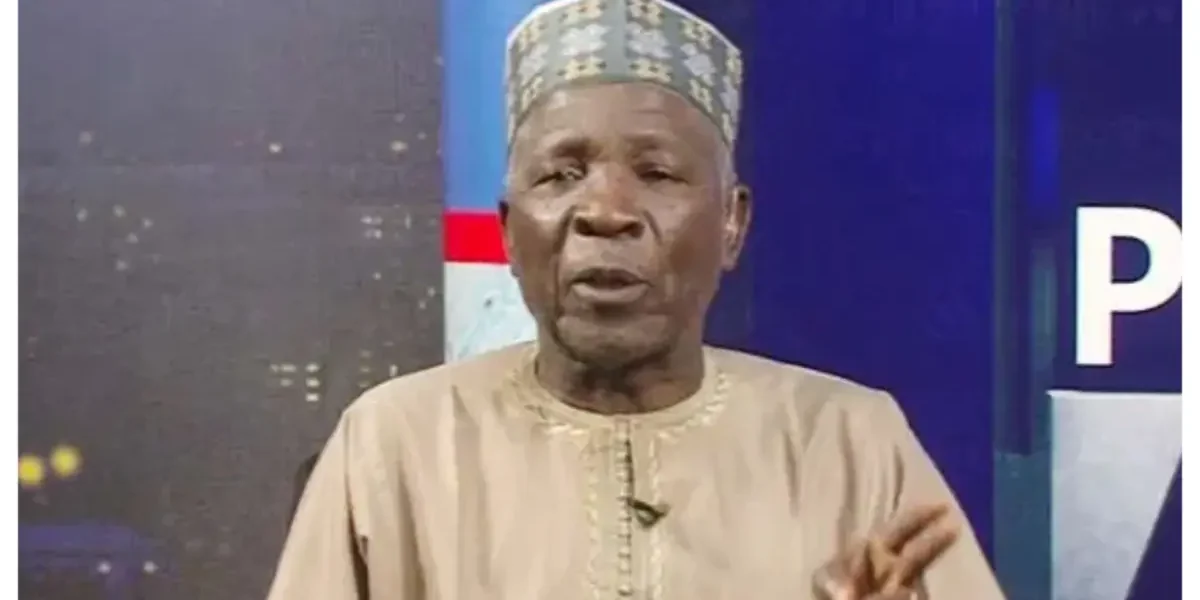
Galadima made the remarks on Wednesday during an appearance on Prime Time, a programme on Arise Television.
He also urged Nigerians not to hold the NDC’s presidential candidate, Peter Obi, accountable for events surrounding the 1966 military coup, arguing that Obi had no connection to the incident and should not be judged for actions that occurred long before his political career.
According to him, national reconciliation requires citizens to move beyond historical grievances and focus on building unity.
Galadima pointed to the example of the late Biafran leader, Chukwuemeka Odumegwu Ojukwu, who was pardoned after the Nigerian Civil War and later reintegrated into the country’s political process.
He further noted that discussions about the 1966 coup should acknowledge that people from various ethnic groups, including the Igbo, also suffered losses during that turbulent period.
The NDC chieftain maintained that dialogue, reconciliation and constructive engagement remain vital to addressing Nigeria’s political and ethnic divisions.
“We have challenges, but they are not beyond resolution. We will overcome them,” Galadima said.
Drawing a parallel with international conflicts, he noted that countries at odds can still engage in dialogue and pursue peace.
On the issue of the 1966 coup, he questioned why Obi should be blamed for an event that occurred decades ago, insisting that individuals should not bear responsibility for actions they neither participated in nor influenced.
Galadima added that while some continue to focus on the killing of northern leaders during the coup, it is equally important to recognise the many Igbo lives that were also lost in the violence that followed.
He reiterated that fostering understanding and forgiveness is essential for national cohesion and progress.