
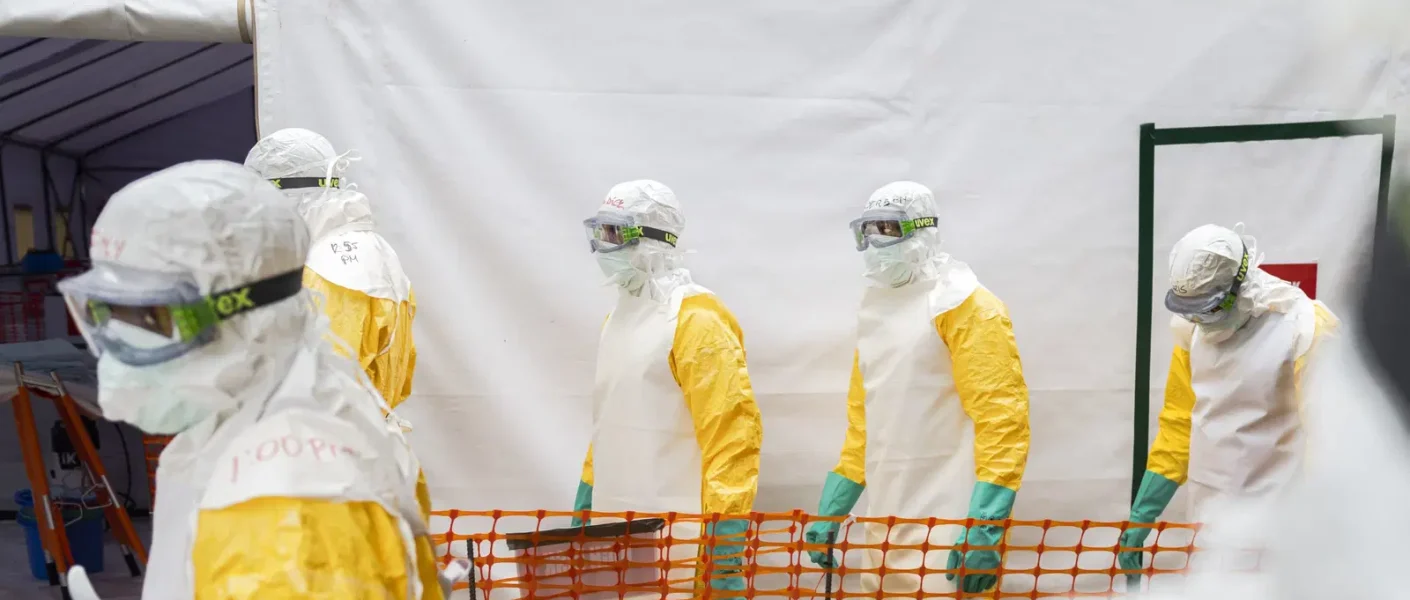
The World Health Organization (WHO) has raised serious concerns over the escalating Ebola outbreak in the Democratic Republic of Congo (DRC), warning that the virus is spreading faster than in any previous outbreak recorded in the country.
More than 2,000 confirmed infections and 796 deaths have been reported within just two months, making the current epidemic the third-largest Ebola outbreak in history.
Speaking during a media briefing, WHO Director-General Tedros Adhanom Ghebreyesus said the pace of transmission is unprecedented. He noted that while the DRC’s 2018–2020 Ebola outbreak took more than 10 months to surpass 2,000 confirmed cases, the current outbreak reached the same milestone in only two months.
“In the past month, it has expanded faster than any previous outbreak,” Tedros warned.
The DRC officially declared its 17th Ebola outbreak on May 15 after a series of deaths were reported in the conflict-ridden northeastern province of Ituri. Since then, the virus has spread to five provinces across the country and crossed the border into neighbouring Uganda.
Health authorities confirmed that the outbreak is being driven by the rare Bundibugyo strain of the Ebola virus, for which there is currently no approved vaccine or targeted treatment. While emergency response efforts have intensified, WHO says major challenges remain in tracking and containing the disease.
According to Tedros, more than 80 per cent of newly confirmed cases are emerging outside known contact lists, indicating that many chains of transmission are going undetected. He also revealed that nearly two-thirds of Ebola-related deaths are occurring in communities where patients never reached a healthcare facility for treatment.
The WHO chief identified ongoing armed conflict in eastern Congo as one of the biggest obstacles to controlling the outbreak, saying insecurity continues to disrupt surveillance, treatment and emergency response operations.
He further disclosed that an Ebola treatment centre in Bunia, the capital of Ituri Province, came under attack on Wednesday, heightening concerns about the safety of frontline health workers and the effectiveness of the response.
Ebola is a highly contagious viral disease spread through direct contact with the bodily fluids of infected individuals or contaminated objects. Common symptoms include fever, severe weakness, vomiting and diarrhoea, while severe cases can result in internal and external bleeding. Without timely medical treatment, the disease can be fatal.
