
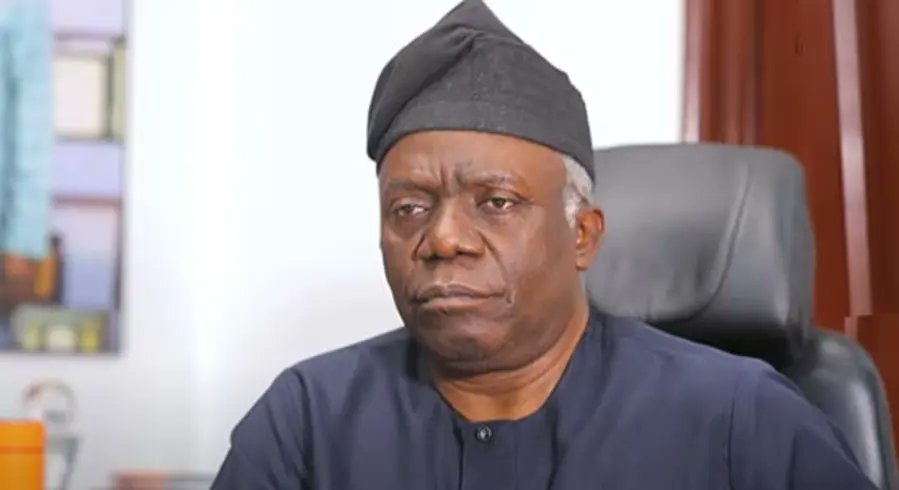
Human rights lawyer and Senior Advocate of Nigeria, Femi Falana, has condemned the use of consensus arrangements by the All Progressives Congress for governorship primaries, particularly in Ogun State, describing the practice as “extortion” and “plutocracy” that undermines democracy.
Falana spoke on Thursday at the 8th Penpushing Annual Lecture held at the Olusegun Obasanjo Presidential Library in Abeokuta. The event was themed, “Restoring Electoral Integrity: The Path to Good Governance and Public Accountability.”
He argued that electoral integrity could not be achieved without transparent and credible party primaries.
“Please, let us stop deceiving ourselves. If you are going to talk about electoral integrity, you must start with the primaries,” he said.
According to the SAN, consensus arrangements deny party members the opportunity to freely choose their preferred candidates, despite the Electoral Act recognising direct and consensus methods of conducting primaries.
Falana also warned of growing threats to Nigeria’s multi-party democracy, cautioning that deregistering political parties and preventing others from participating in elections could trigger a political crisis.
“Political exclusion has historically encouraged undemocratic forces to undermine democratic institutions across Africa,” he said.
He further criticised the increasing monetisation of politics, citing an allegation by the Chairman of the Economic and Financial Crimes Commission, Ola Olukoyede, that some governorship aspirants spent between ₦20 billion and ₦30 billion during party primaries.
“If you are spending between ₦20 billion and ₦30 billion on a primary election, how much are you going to spend in the real election?” Falana asked.
He alleged that such enormous sums could not have been sourced legitimately, warning that the practice fuels corruption and weakens the country’s democratic institutions.
Falana called for urgent reforms to strengthen internal party democracy, curb the commercialisation of politics and protect the integrity of Nigeria’s electoral process.