
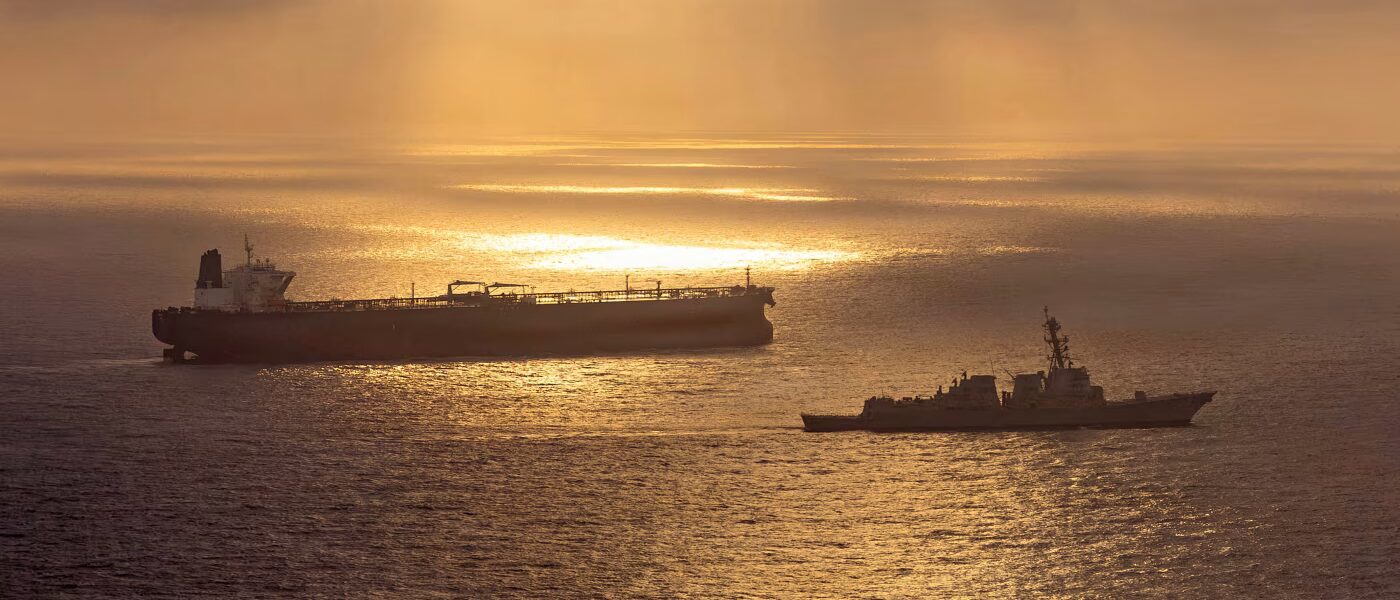
Global oil prices fell sharply on Monday after signs of easing tensions between the United States and Iran boosted hopes of renewed diplomatic talks and the reopening of the strategically important Strait of Hormuz.
The decline followed a pause in hostilities after 13 days of reciprocal attacks between the two countries. Over the weekend, the United States refrained from launching further strikes, with President Donald Trump’s envoy to the United Nations saying the administration was allowing “talks some space.”
Iran also announced it would suspend retaliatory attacks on neighbouring countries, providing temporary relief to Gulf shipping routes and easing concerns over global energy supplies.
The latest conflict had disrupted a fragile ceasefire after Iran targeted vessels travelling through the Strait of Hormuz, prompting retaliatory actions and threatening one of the world’s busiest oil shipping lanes. The unrest later expanded beyond the Gulf, with Iran-backed Houthi rebels in Yemen reportedly attacking Saudi vessels in the Bab al-Mandeb Strait, another key maritime trade route.
Oil prices had surged during the escalation, with Brent crude climbing above 100 US dollars per barrel for the first time since May. However, continued shipping through the Red Sea and renewed diplomatic efforts helped calm markets.
Iran’s Foreign Ministry said discussions with Oman had made progress on developing “common principles and operational mechanisms” to ensure the safe movement of vessels through the Strait of Hormuz while respecting the sovereignty of both nations.
Reports also suggested Pakistan, with support from China, was exploring ways to revive peace negotiations between Washington and Tehran.
The improving outlook triggered a broad sell-off in oil markets. Brent crude fell by more than seven per cent at one stage, briefly dropping below 90 US dollars a barrel, while West Texas Intermediate also recorded significant losses.
Analysts said the decline reflected growing confidence that both sides were seeking to avoid further escalation.
The easing geopolitical tensions also lifted global financial markets by reducing concerns about inflation and further interest rate increases.
Stock markets across much of Asia and Europe traded higher, with gains recorded in Seoul, Tokyo, Hong Kong, Shanghai, Sydney, Singapore, London, Paris and Frankfurt. Investors are also awaiting major earnings reports from technology companies including Microsoft, Meta, Apple, Amazon, Samsung and SK hynix later this week.
Attention is also turning to the US Federal Reserve’s latest policy meeting. Although inflation has eased, analysts expect the central bank to leave interest rates unchanged while signalling its outlook for the remainder of the year.
By early Monday trading, West Texas Intermediate crude had fallen 6.5 per cent to 83.54 US dollars a barrel, while Brent crude was down 6.4 per cent at 90.56 US dollars per barrel.
