
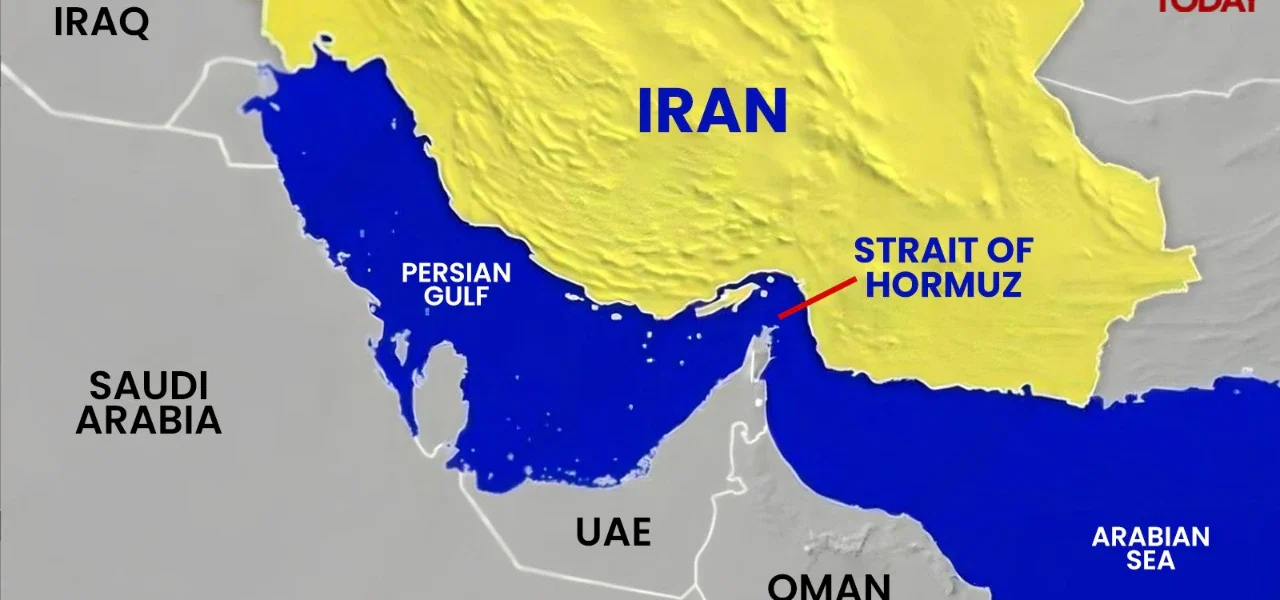
Planned regional talks aimed at finding a framework for reopening the Strait of Hormuz to regular commercial shipping have been indefinitely postponed amid disagreements involving Gulf states, Iran and the United States.
Gulf diplomats and Iranian officials had been scheduled to meet in Salalah, Oman, to discuss an Omani proposal designed to restore regular tanker traffic through the strategically important waterway. The United States was not expected to participate directly.
However, Omani Foreign Minister Badr Albusaidi announced that the meeting had been postponed in an effort to build broader regional agreement.
“In the interests of consensus the regional meeting set for tomorrow in Salalah has been postponed,” Albusaidi said, adding that Oman remained committed to dialogue aimed at promoting regional stability.
The proposed talks followed months of behind-the-scenes discussions over a legal and operational framework for reopening the strait, where shipping traffic has remained significantly disrupted.
One of the major areas of disagreement concerns possible fees for vessels passing through the waterway. Mandatory Iranian tolls have faced opposition from Gulf states, although sources familiar with the negotiations said voluntary contributions for navigation safety and environmental protection have been considered under Oman’s proposal.
Saudi Arabia reportedly submitted amendments to the proposed framework amid concerns that some provisions could establish a new arrangement that would be unacceptable to members of the Gulf Cooperation Council.
Another objective of the talks was to reach an agreement on transit routes for vessels travelling through the strait.
Meanwhile, the Trump administration has indicated that it wants any future direct negotiations with Iran to focus primarily on Tehran’s nuclear program rather than negotiations over reopening the Strait of Hormuz.
US officials have maintained that Iran does not control the waterway and said Washington remains in close contact with its regional partners.
Iranian officials, however, have reportedly signalled that progress on the strait could help create conditions for renewed nuclear negotiations with Washington.
The dispute comes as US military escorts have helped some oil tankers travel through the waterway, although overall commercial shipping remains disrupted amid continuing security concerns.
The Strait of Hormuz is one of the world’s most important energy transit routes, making prolonged disruption a major concern for Gulf states and international energy markets.
Despite the postponement, regional diplomats are expected to continue efforts to develop a longer-term arrangement that could restore safer and more predictable commercial shipping through the waterway.
For Gulf countries, the issue has taken on additional urgency amid wider regional security concerns, including threats to shipping routes through the Red Sea.

