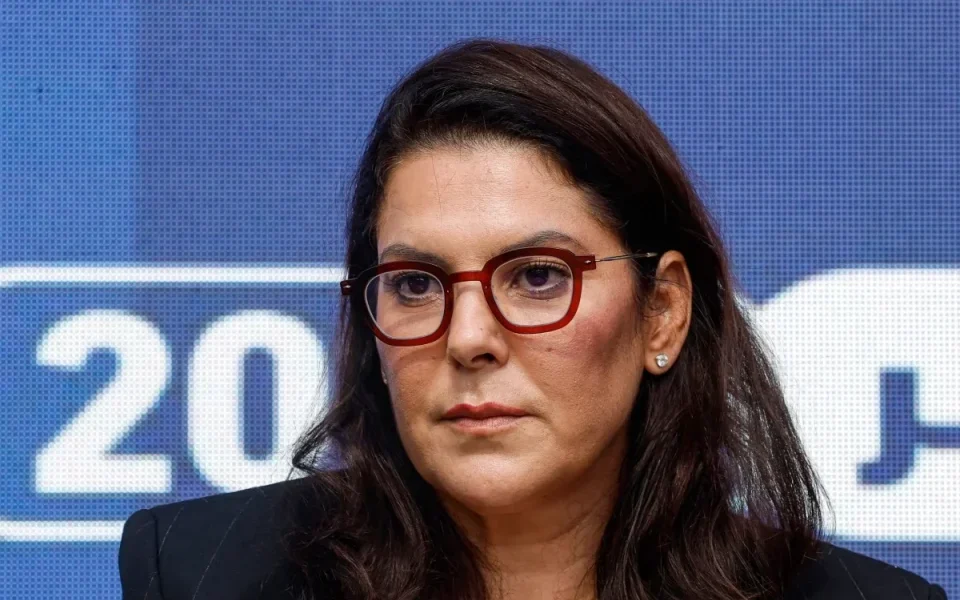
Morocco’s King Mohammed VI on Tuesday appointed Marrakesh Mayor Fatima Ezzahra El Mansouri as the country’s first female prime minister, following her party’s victory in last week’s parliamentary election, the royal cabinet announced.
El Mansouri, 50, is a senior figure in the centre-right Authenticity and Modernity Party (PAM), which emerged as the largest party in the election, winning 97 of the 395 seats in the House of Representatives.
The party secured 31 more seats than its closest rival, although voter turnout was the lowest recorded in two decades.
The royal cabinet said the king had tasked El Mansouri, who previously served as housing minister, with “forming the new government.”
With PAM falling short of an outright majority, El Mansouri will need to negotiate with other parties to form a coalition for the next five-year term. The Moroccan monarch, however, retains broad powers over key areas of government policy.
Founded in 2008 by royal adviser Fouad Ali El Himma, PAM was established as a political counterweight to Morocco’s Islamist movement.
El Mansouri became the first woman to serve as mayor of Marrakesh in 2009. She lost the position six years later before returning to office in 2021.
‘Restore hope’
The new government is expected to face major challenges, including unemployment, rising living costs and persistent social inequalities, particularly among young Moroccans.
“Young people are going through a crisis, and we must provide them with answers,” El Mansouri said during the election campaign. “We want to restore their hope, not only through speeches, but through concrete solutions.”
The election was held weeks after tens of thousands of mainly young Moroccan migrants rushed into the Spanish enclave of Ceuta, highlighting concerns over socioeconomic conditions among the country’s youth.
It also came a year after a Gen-Z-led protest movement took to the streets to demand improvements in healthcare and education.
PAM has pledged to deliver average annual economic growth of five per cent, keep inflation at two per cent and create at least one million jobs during its five-year term.
The National Rally of Independents, which leads the outgoing governing coalition, finished second with 66 seats, while the right-wing Istiqlal Party came third with 65.
The Islamist opposition Justice and Development Party (PJD) won 54 seats, a significant improvement on the 13 seats it secured in 2021.
The PJD focused part of its campaign on fighting corruption. Its leader and former prime minister, Abdelilah Benkirane, described the result as a “victory” but ruled out joining a coalition led by PAM, accusing the party of being “tainted by fraud” without providing details.