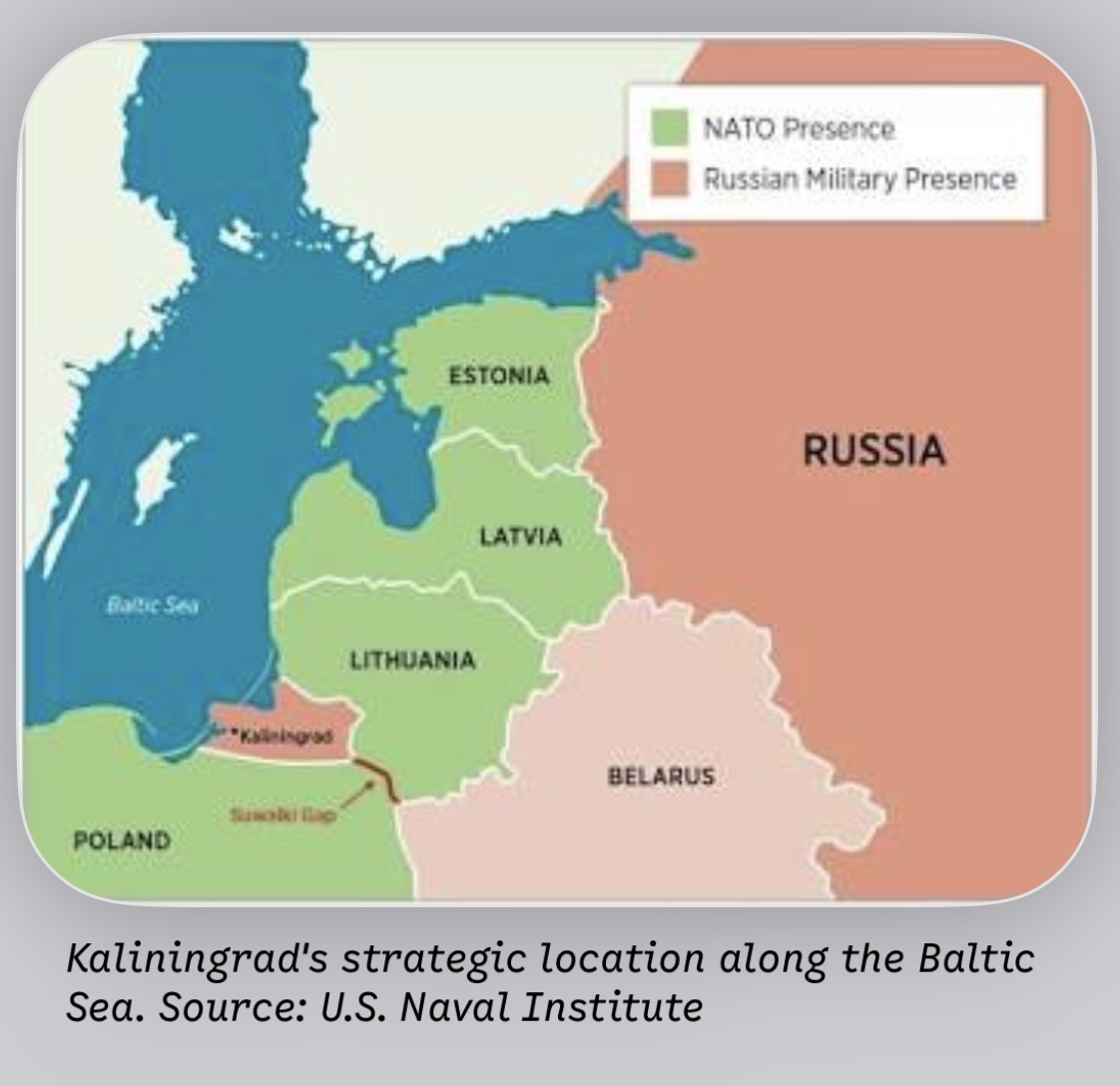
Russia has warned NATO that it could use nuclear weapons if the Western military alliance attempts to isolate or cut off Kaliningrad, the Russian exclave situated between Poland and Lithuania.
In a diplomatic note sent to NATO, Moscow described what it called the alliance’s actions as a “dangerous and reckless course” that carries “high risks of the outbreak of a direct armed conflict.”
The document also warned that further escalation could result in “Russian strikes against decision-making centres in the alliance’s member states right from the outset.”
“Russia will be ready to use the entire arsenal of forces and capabilities at its disposal, including nuclear weapons, in order to defend its territory should NATO countries undertake any attempt aimed at isolating the Kaliningrad Region from the rest of the country,” the note stated.
The warning comes amid heightened tensions over Kaliningrad, a strategically important Russian territory on the Baltic Sea that hosts significant military infrastructure.
Russian Foreign Ministry spokeswoman Maria Zakharova also criticised statements by Western officials, describing them as manifestations of “Russophobia” and evidence of a willingness to go to war.
“If Europe attacks Russia, it will be a completely different sort of war – a very short war,” Zakharova wrote, while urging European leaders to heed Moscow’s warnings.
Kremlin spokesman Dmitry Peskov said the diplomatic notes sent to European embassies were necessary warnings directed at what he described as “hotheads in Europe.”
NATO Secretary General Mark Rutte rejected Moscow’s threats during a defence conference hosted by Euronews in Brussels, reiterating that the alliance is defensive in nature.
“We are a defensive alliance. And stop the nuclear threats. This is absolutely not called for and not helpful,” Rutte said, adding that NATO activities did not threaten Russia’s territorial integrity.
Asked whether the threat of nuclear deployment in the Baltic region was imminent, Rutte said: “No, it’s not. Putin knows that he can never win against NATO, so I don’t take this that seriously.”
Security analysts have warned that the exchange of threats could increase the risk of miscalculation between Russia and Western countries.
Nikolai Sokov, a Vienna-based nuclear analyst and former Russian diplomat, said increasing Western support for Ukraine could push both sides beyond established diplomatic thresholds.
“They expect more action, including a blockade of the Baltic Sea—just below the level of war in European calculation, but for them this will be open war. I see a risk of mutual miscalculation,” Sokov said.
Western governments have continued to accuse Moscow of conducting a broader “hybrid war” across Europe, including alleged sabotage and cyber operations. The Kremlin has repeatedly denied those allegations.
The latest exchange has added to concerns over the increasingly confrontational rhetoric between Russia and NATO, particularly over the Baltic region and the wider war in Ukraine.