Real Madrid superstar Kylian Mbappé has issued a public apology after several major Chinese companies terminated their endorsement deals with him following controversial remarks about former Chinese leader Mao Zedong.
The French international sparked outrage after a video circulated online showing him discussing an internet meme in which his face had been edited onto an image of Mao, the founding leader of the People’s Republic of China.
When asked about the funniest meme he had seen featuring himself, Mbappé reportedly referred to the historical figure as “some guy – I think he’s a Chinese dictator.”
The comment quickly attracted criticism across Chinese social media platforms, with many users accusing the footballer of disrespecting China’s history and national identity.
Following the backlash, Mbappé released an apology in French, Chinese and English, acknowledging that his remarks had offended people.
“My comment was ill-judged, and I now understand that it hurt many people in China and in Chinese communities around the world. I apologise to everyone my words have upset,” he said.
Despite his apology, several Chinese companies announced that they were ending their commercial relationships with the Real Madrid forward.
Chinese beverage manufacturer Dongpeng confirmed that it had terminated all cooperation with Mbappé, stating that the company would not tolerate conduct it considered offensive to national sentiments.
Dongpeng had previously featured AI-generated images of the footballer promoting its sports drinks during this year’s World Cup.
Other major companies, including dairy producer Mengniu and cheese manufacturer Milkground, also announced that they were cutting ties with the French star.
The controversy spread rapidly across Chinese social media, particularly Weibo, where the announcement of Dongpeng’s decision became a leading trending topic, reportedly attracting more than 430 million views.
Some users called for Mbappé’s images to be removed from product packaging, while others criticised his remarks as disrespectful.
Chinese football platform Dongqiudi also condemned the comments, describing them as offensive to China and its people.
Spain’s La Liga subsequently issued an apology to Chinese football supporters, distancing itself from the player’s remarks.
The league explained that Mbappé had made the comments in a personal capacity and that they did not reflect its official position.
Reports also indicated that Chinese public television was suspending broadcasts of La Liga matches following the controversy.
China’s foreign ministry acknowledged the incident, with spokesperson Guo Jiakun warning that remarks considered offensive to the Chinese people would face strong public opposition.
“Words and actions that hurt the feelings of the Chinese people will naturally be met with unanimous rejection from all sectors of Chinese society,” he said.
Mao Zedong, who died in 1976, remains a significant and politically sensitive figure in Chinese history.
Although he is officially recognised in China for his role in founding the People’s Republic, historians have also linked his policies to widespread famine, political persecution and millions of deaths.
Mbappé, who enjoys a substantial following in China, has previously spoken about internet memes portraying him as historical military figures.
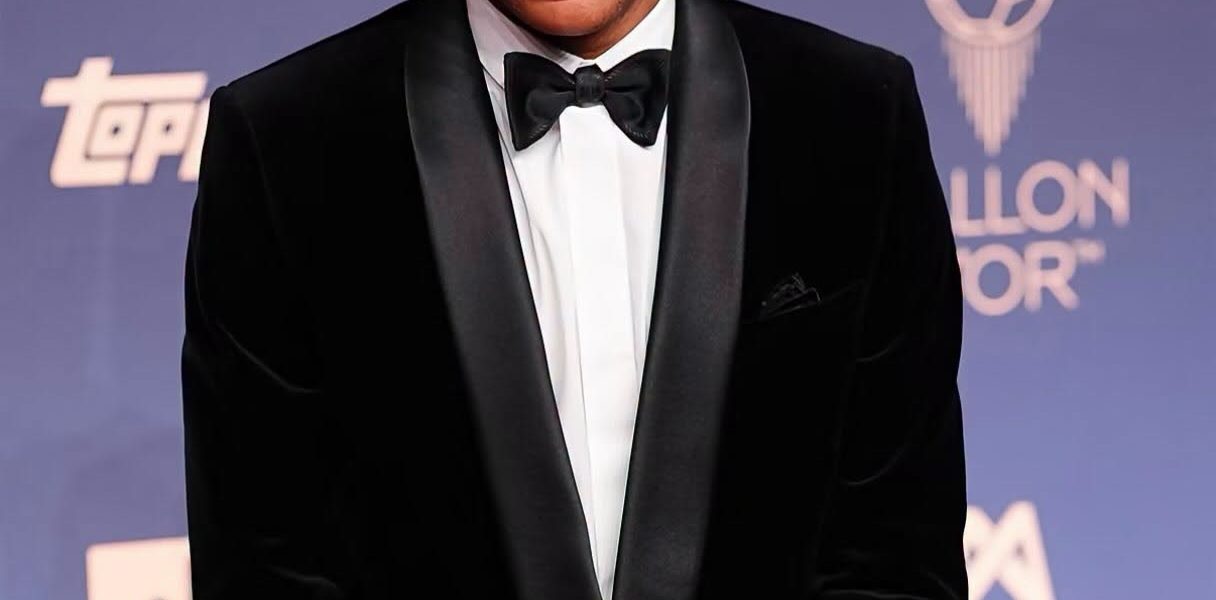
The latest controversy comes shortly after the France captain finished second behind Harry Kane in the men’s Ballon d’Or award.
While Mbappé has apologised, the incident highlights how comments made by international sports stars can quickly affect their commercial partnerships and public reputation across different cultures.