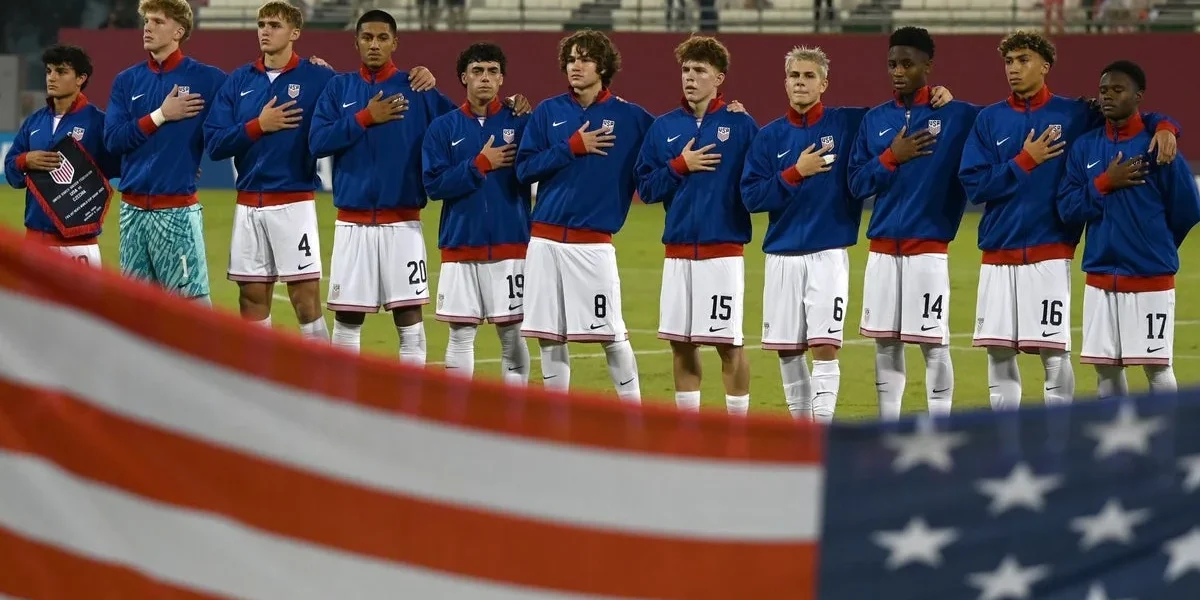
The United States has withdrawn from the 2026 FIFA Under-17 World Cup in Qatar, citing security concerns linked to escalating tensions in the Middle East.
The decision was announced on Wednesday, November 11, just eight days before the tournament was scheduled to begin on November 19.
According to Reuters, the United States Soccer Federation (USSF) informed players and officials of the withdrawal in a letter, explaining that the safety and well-being of the team remained its highest priority.
The federation said its decision followed consultations with its internal security team and the US State Department.
The State Department had issued a Level 3 travel advisory for Qatar, urging American citizens to reconsider travelling to the country because of the potential risk of armed conflict.
In its letter to players and staff, US Soccer explained that the current security situation and restrictions affecting US Embassy personnel had made participation impossible.
The federation stressed that protecting its young players, coaches and support staff was more important than competing in the tournament.
Before announcing the withdrawal, US Soccer had already relocated the team’s pre-tournament training camp from Qatar to its national training centre near Atlanta as a precautionary measure.
However, following further security assessments, the federation decided to cancel both the training camp and the team’s participation in the competition.
The announcement came after head coach Alex Aldaz had selected a 21-player squad to represent the United States.
The young American team had been preparing to compete against some of the world’s leading youth football nations.
The United States had been placed in Group J alongside Montenegro, Chile and Algeria.
Its opening match was scheduled against Montenegro on November 21.
The 2026 FIFA U-17 World Cup is scheduled to take place in Qatar from November 19 to December 13, with 48 national teams expected to participate.
The American withdrawal creates uncertainty over how FIFA will handle the vacant position in the competition.
It could also expose the United States Soccer Federation to possible disciplinary measures under FIFA tournament regulations, although no sanction has been confirmed.
The development highlights how security concerns and ongoing regional tensions can affect international sporting events, even when teams have already completed their preparations.