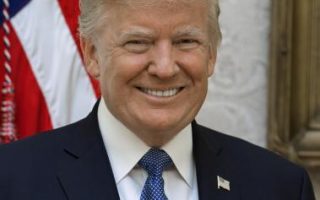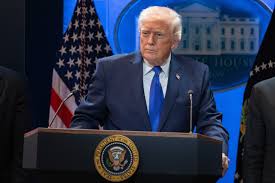
U.S. President Donald Trump is reportedly willing to bring the ongoing conflict with Iran to an end, even if the Strait of Hormuz remains closed.
According to a report by The Wall Street Journal, Trump has privately told advisors that reopening the critical waterway is not essential to ending the war, as doing so could prolong the conflict beyond his preferred four-to-six-week timeline.
The closure of the strait — a key global oil route — has already driven oil prices sharply higher. Brent crude has surged to around $113 per barrel, marking a near four-year high and a 56% increase since the U.S.-Israel conflict with Iran escalated.
Sources say the administration is now focused on weakening Iran’s naval capabilities and missile stockpiles before scaling back military operations. The plan also includes applying diplomatic pressure on Tehran to restore normal trade routes.
If Iran does not comply, Washington is expected to call on European and Gulf allies to take the lead in reopening the strait.
In a recent post on Truth Social, Trump warned that the U.S. could “obliterate” Iranian energy infrastructure — including Kharg Island, the country’s main oil export terminal — if a peace deal is not reached soon. In the same message, he claimed negotiations toward ending the war with a “new, and more reasonable, regime” were making progress, reflecting his often mixed messaging on the conflict.
Meanwhile, reports from Bloomberg indicate that most vessels navigating the strait are now using routes approved by Iran, often sailing close to its coastline after securing permission for safe passage.
Some countries, including Malaysia and Thailand, have also reached agreements to release tankers stranded in the Gulf.
A potential U.S. withdrawal from the conflict could ease tensions and improve the chances of restoring access to the vital shipping route, which plays a major role in global energy supply.