United States lawmakers have accused Nigerian authorities of downplaying and dismissing persistent allegations of religious persecution, as concerns over Nigeria’s human rights record took centre stage at a congressional hearing on Wednesday.
The session, organised by the House Foreign Affairs Subcommittee on Africa, examined global threats to religious freedom, with Nigeria singled out as a major country of concern. Lawmakers revisited long-running claims that Christians face targeted violence in parts of Nigeria — allegations the Nigerian government has repeatedly denied.
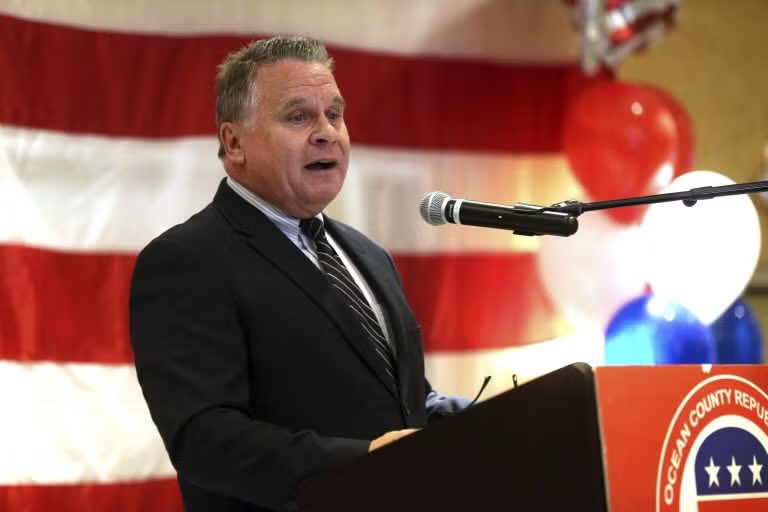
Opening the hearing, subcommittee chairman Chris Smith quoted findings from Genocide Watch, describing Nigeria as “a killing field of defenceless Christians.” He welcomed the recent redesignation of Nigeria as a Country of Particular Concern (CPC) by the United States Department of State, calling it a necessary correction in US foreign policy.
“That wrong in our foreign policy has been righted with the President’s CPC designation. We commend and thank him for that action,” Smith said.
While acknowledging that Nigeria has taken “small steps” toward improving religious freedom, Smith criticised what he described as aggressive lobbying by Nigerian-linked entities in Washington. He pointed to a reported $9 million contract with lobbying firm DCI Group, as well as a separate $120,000-per-month agreement involving security consultancy Valcour Global.
“They hire these firms; they come up with their very well-written talking points to say nothing to see here,” Smith said, arguing that such efforts illustrate “a culture of denial by Nigerian officials.”
The hearing also exposed divisions over the effectiveness of past US policy. Joaquin Castro criticised previous US military actions in Nigeria, suggesting they were framed as protecting Christians while broader assistance aimed at addressing discrimination and underlying causes of violence was reduced.
Lawmakers further debated what practical impact Nigeria’s CPC designation carries. Some described it as largely symbolic, serving as a “name and shame” tool, while others argued it remains important for keeping international attention focused on the crisis.