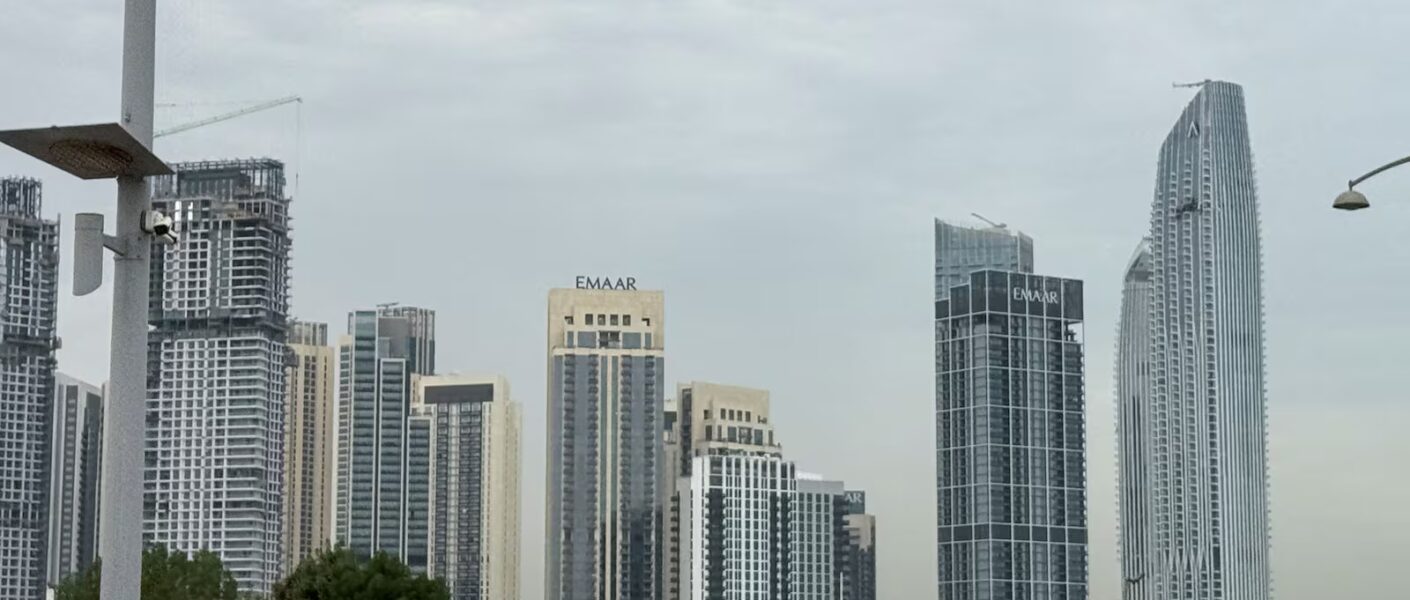
Dubai’s once-booming property market is beginning to show early signs of weakness as escalating conflict involving Iran, the United States, and Israel starts to shake investor confidence across the region.
Recent data from Goldman Sachs reveals a sharp decline in activity, with real estate transactions in the UAE dropping by 37 percent year-on-year and nearly 49 percent compared to the previous month within the first 12 days of March. The slowdown highlights how quickly geopolitical instability can ripple through even the most resilient markets.
Dubai has long positioned itself as a safe haven for global investors, but recent strikes impacting parts of the Gulf, including the UAE, have raised concerns about security and long-term stability. As a result, property prices are beginning to adjust, with some listings already reflecting discounts between 12 and 15 percent. In one instance, a property near the Burj Khalifa was reduced from $735,000 to $650,000, while an off-plan apartment in Palm Jumeirah has reportedly dropped to around $2 million.
The shift comes after several years of strong growth driven by high-net-worth individuals seeking tax advantages and lucrative investment opportunities in the emirate. However, the current conflict is testing that momentum.
Investor caution is also evident in the stock market. Shares in Emaar Properties, the developer behind some of Dubai’s most iconic projects, including the Burj Khalifa, have fallen by more than 26 percent since the conflict began. Analysts at Citigroup warn that the ongoing crisis presents significant risks to Dubai’s population growth and future housing demand, with projections suggesting potential annual price declines of up to 7 percent in a worst-case scenario.
Despite the cooling market, activity has not come to a complete halt. High-end deals are still being recorded, including reports of a luxury property purchase on Palm Jumeirah by former UFC champion Francis Ngannou. Some investors are taking advantage of lower prices, viewing the downturn as an opportunity rather than a setback.
While uncertainty remains, the situation marks a critical moment for Dubai’s real estate sector as it navigates the pressures of global conflict and shifting investor sentiment.