
Robert S. Mueller III, the former director of the Federal Bureau of Investigation and the special counsel who led the investigation into Russian interference in the 2016 U.S. election, has died at the age of 81. His family confirmed his passing on Friday, March 20, though the cause of death was not disclosed.
Mueller served as FBI director for 12 years, stepping into the role just days before the September 11 attacks. During his tenure, he oversaw a major transformation of the bureau, shifting its focus toward counterterrorism and intelligence to address evolving global threats. His leadership introduced sweeping structural changes, including closer coordination with agencies such as the CIA and NSA, alongside expanded surveillance capabilities under post-9/11 legislation.
Despite the heightened national security environment, Mueller’s time at the FBI was also marked by internal challenges and resistance to controversial practices. Officials under his leadership raised concerns about abuses linked to CIA detention sites and interrogation methods, while Mueller himself was involved in a high-level dispute over a secret domestic surveillance programme that he and other Justice Department figures believed raised serious constitutional concerns.
After leaving the FBI in 2013, Mueller returned to public service in 2017 when he was appointed special counsel following the dismissal of FBI director James Comey. His investigation examined possible links between Donald Trump’s campaign and Russian efforts to influence the 2016 election.
Over the course of nearly two years, Mueller’s team secured multiple indictments and convictions, including against former campaign chairman Paul Manafort, as well as guilty pleas from figures such as Michael Flynn and Roger Stone. The investigation also outlined how Russian operatives carried out a coordinated misinformation campaign through organisations like the Internet Research Agency.
Mueller’s final report, released in 2019, concluded that Russia had interfered in the election and that members of the Trump campaign expected to benefit from those efforts. However, it did not establish a criminal conspiracy. On the question of obstruction of justice, the report stated that while it did not conclude the president had committed a crime, it also did not exonerate him.
The findings sparked widespread political debate, with then-Attorney General William Barr’s summary drawing criticism from those who argued it downplayed key conclusions. Trump consistently rejected the investigation, describing it as a “witch hunt,” while Mueller remained largely reserved in public, aside from limited congressional testimony and a later written defence of his work.
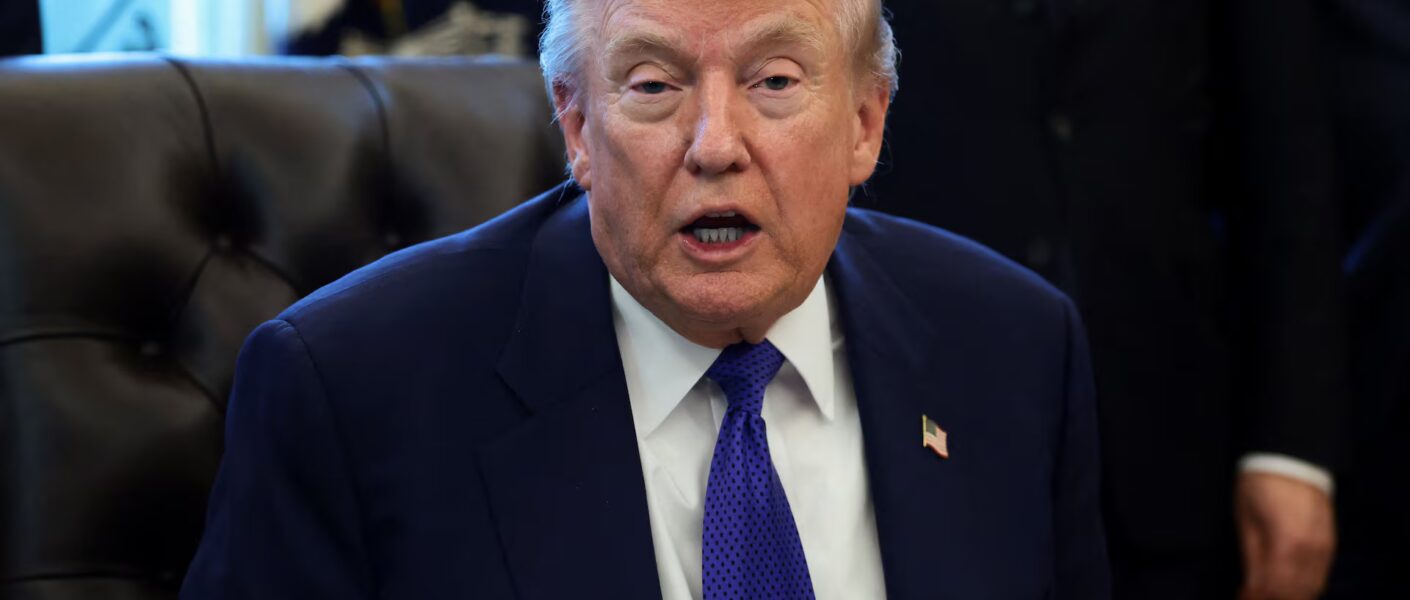
Following news of Mueller’s death, Trump reacted on social media with a strongly worded statement, reflecting the long-standing tensions between the two men.
Beyond his role in high-profile investigations, Mueller had a distinguished record of public service. He served as a Marine during the Vietnam War, earning a Bronze Star for bravery and a Purple Heart after being wounded in combat. He later built a reputation as a determined federal prosecutor, handling major cases including the Lockerbie bombing.
Mueller’s legacy is shaped by two defining chapters: his leadership of the FBI during a critical period after 9/11 and his role in one of the most politically significant investigations in modern American history.
