
U.S. President Donald Trump has raised doubts about the likelihood of a peace deal with Iran, despite suggesting that Tehran may be open to negotiations, as tensions in the Middle East continue to rise.
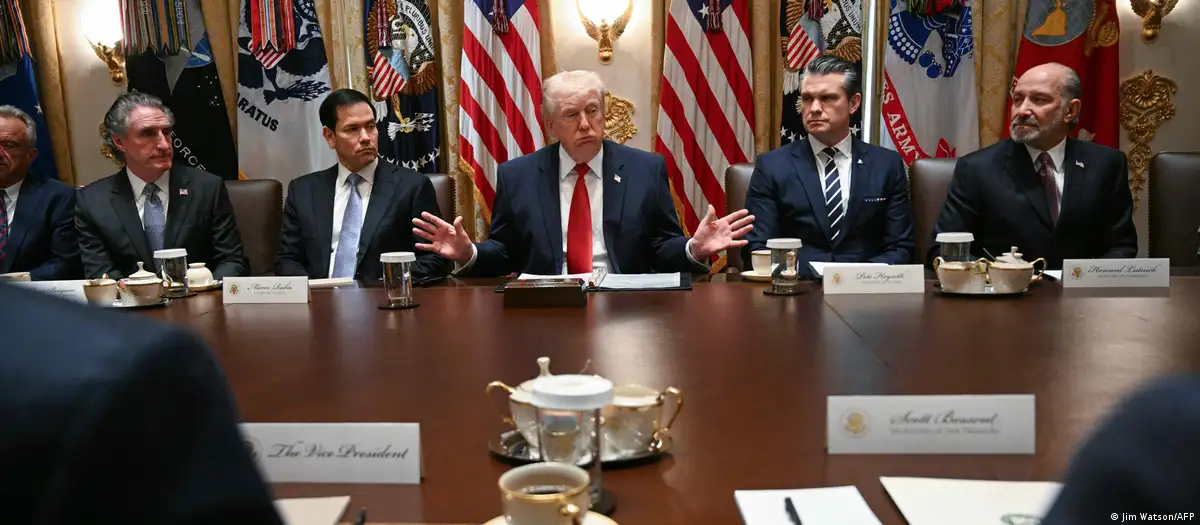
Speaking during a Cabinet meeting on March 26, Trump described Iran as a strong negotiating partner but questioned whether the United States is ready to reach an agreement at this stage. His comments come as the ongoing conflict involving the U.S. and Israel continues to intensify.
The war, which began following joint U.S.-Israeli strikes in late February, has triggered waves of retaliation from Iran, including missile and drone attacks targeting Israel and Gulf states hosting U.S. military bases.
The humanitarian impact has been severe, with thousands killed across the region and millions displaced, particularly in Iran and Lebanon. At the same time, Washington is reportedly preparing further troop deployments, raising fears of a broader escalation.
Global economic concerns are also growing as Iran tightens control over the Strait of Hormuz, a key route for global oil shipments. Disruptions in the region have added pressure to already unstable energy markets.
Although Trump previously hinted that a ceasefire could be within reach, he urged Iran to move quickly toward serious negotiations, expressing frustration over stalled diplomatic efforts and Tehran’s rejection of key proposals.
In a separate development, Trump also suggested that Venezuelan President Nicolás Maduro could face additional legal action in the United States, pointing to widening geopolitical tensions beyond the Middle East crisis.