Israel has claimed it has killed a senior Iranian naval commander accused of playing a key role in shutting down the Strait of Hormuz, in a major escalation of the ongoing conflict.
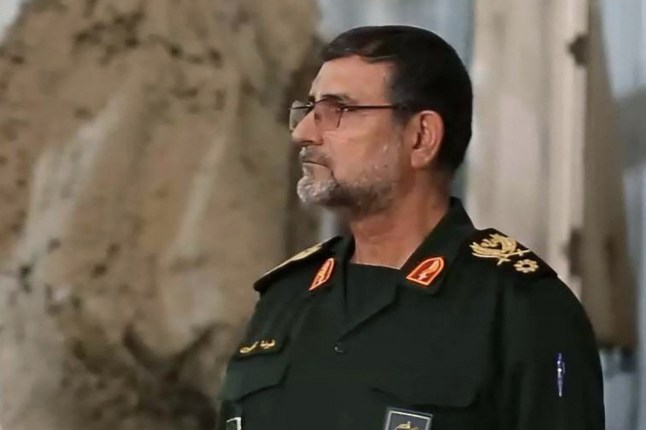
According to Israeli officials, IRGC Navy Commander Alireza Tangsiri was killed in a targeted missile strike on March 25 in the southern Iranian port city of Bandar Abbas. The strike reportedly also killed other senior naval officers, including intelligence chief Behnam Rezaei.
The Israeli Defence Forces (IDF) said Tangsiri was responsible for attacks on oil tankers and commercial vessels, as well as leading efforts to block the strategic Strait of Hormuz — a vital global shipping route. His actions had significantly disrupted maritime traffic and impacted global energy markets.
Israeli Prime Minister Benjamin Netanyahu described Tangsiri as a key figure in Iran’s military operations, saying he had “a great deal of blood on his hands.” Defence Minister Israel Katz added that the strike was a clear warning, stating that Israel would continue targeting Iranian military leadership.
“This is a message — we will hunt you down and eliminate you one by one,” Katz said, vowing to continue operations until Israel’s war objectives are achieved.
However, Iran has not officially confirmed Tangsiri’s death. Reports of the strike remain partially unverified, with circulating footage allegedly showing damage to a building where the commander was meeting other officials.
The development comes amid fragile diplomatic efforts to end the conflict. Sources say the United States was urged not to target certain Iranian leaders involved in potential negotiations, to avoid derailing peace talks entirely.
Meanwhile, Iran has rejected a U.S.-backed proposal to end the war, insisting it will continue its resistance. Foreign Minister Abbas Araghchi stated that Iran has no intention of negotiating under current conditions, calling for a permanent end to the conflict and compensation for damages.
The conflict has already claimed thousands of lives and continues to raise fears of further regional escalation.