
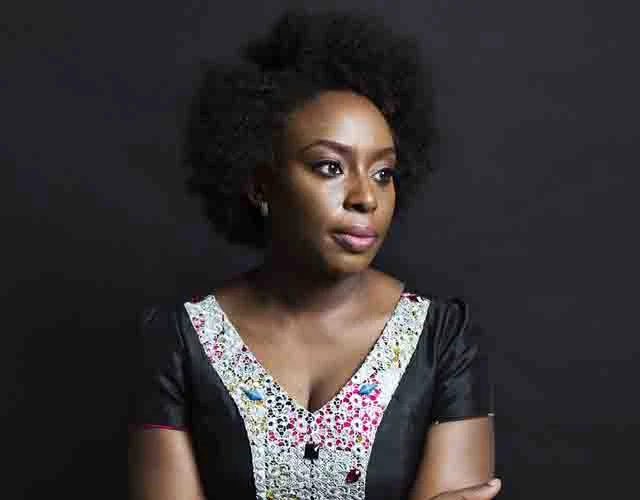
Nigerian author Chimamanda Ngozi Adichie has revealed that the death of her 21-month-old son, Nkanu, has changed the way she feels about Nigeria.
Adichie made the disclosure in an interview with The New York Times, sighted by PUNCH Online on Sunday.
Asked whether Nigeria still felt close to her heart, the award-winning author gave a blunt response.
“My feelings toward Nigeria have changed,” she said.
“I do not want to go back to Nigeria.”
Nkanu, one of Adichie’s twin sons, died in December 2025 following a medical emergency at Euracare in Nigeria.
According to Adichie, the child initially developed a fever and was placed on antibiotics by her husband, Ivara Esege. When his condition did not improve, the couple took him to the hospital for further examination.
She said Nkanu was later sedated with propofol during an MRI examination, after which he suffered cardiac arrest and died the following day.
Recalling the incident, Adichie said a doctor approached her in a panic after the procedure.
“He was very calm and he said to me, ‘Well, look, they gave him too much Propofol.’ Those were his exact words, which I will never forget until the day I die,” she recalled.
In June, Adichie publicly raised allegations of medical negligence over the treatment her son received at the hospital.
The circumstances surrounding Nkanu’s death have since become the subject of a coroner’s inquest, with proceedings reportedly characterised by delays and disagreements between the family and the hospital.
Euracare has reportedly accused Adichie and her husband of destroying evidence by cremating their son’s remains, an allegation linked to the ongoing proceedings.
Adichie and her husband have called for improvements in Nigeria’s healthcare system but, according to the report, have not instituted a lawsuit against the hospital.
Speaking about the possibility of returning to Nigeria, Adichie said her children could be the only reason she would consider going back.
She added that her daughter still regarded Nigeria as her “happy place.”
Before her son’s death, Adichie said Nigeria remained deeply connected to her identity and writing, describing it as the place where she received “everything” that enabled her to become a writer.
However, she said the pain of losing her son had altered that connection.
“I mean, it is so surreal, all of this. I still can’t believe we’re talking about my son who died,” she said.
“You’re going through something, but you also feel like you’re outside of it.”
