
The Alternative Movement has called on political leaders in Benue State to reconcile their differences, embrace dialogue and unite ahead of the 2027 general elections, stressing the need for the state to play a stronger role in Nigeria’s political future.
The convener of the movement, Otunba Showunmi, made the appeal at a town hall meeting held in Makurdi on Wednesday, with the theme, “Bridging the Divide, Building Trust Through Shared Purpose.”
Showunmi warned that political rivalries should not distract leaders from addressing pressing challenges, including insecurity, youth unemployment and other issues affecting residents.
He urged political stakeholders to put Benue’s collective interests above personal ambitions and partisan considerations, noting that unity was essential to the state’s peace, development and political progress.
On security, Showunmi said the Federal Government had reorganised the country’s security architecture and established military formations in the region to improve the protection of residents.
He encouraged the people to remain hopeful, observing that the security challenges confronting Benue had attracted increased national and international attention.
However, he stressed that government interventions alone would not be sufficient without coordinated efforts by political leaders, families and community stakeholders to restore peace, strengthen security and advance the state’s interests.
Showunmi also urged residents to evaluate the performance of the current administration against previous governments, pointing to roads that had reportedly remained neglected for years but were now receiving attention.
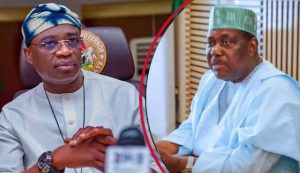
Similarly, the state coordinator of the movement, Adai Edwin Adai, appealed to Governor Hyacinth Alia, Secretary to the Government of the Federation, Senator George Akume, and other political leaders to set aside their differences, embrace dialogue and work towards reconciliation in the interest of peace and a successful 2027 election.
Adai, who also serves as the movement’s Director of Planning, Operations, Policy and Administration, explained that reconciliation did not require leaders to abandon their legitimate positions. Rather, he said, it required a willingness to listen, make compromises and prioritise the public good.
He warned that ordinary citizens were the worst affected by prolonged political tension, particularly farmers who needed security to cultivate their land, traders seeking a stable business environment, unemployed youths looking for opportunities and vulnerable households relying on social support.
“Our plea for reconciliation is not merely about political relationships. It is about the lives and livelihoods of ordinary citizens who bear the consequences when political tension becomes too high,” he said.
Adai urged political actors to demonstrate democratic maturity by maintaining peace despite their differences and ensuring that governance delivered tangible benefits to residents.
He identified improved security, quality education, accessible healthcare, infrastructure development and expanded economic opportunities as key areas requiring sustained attention.
While commending Governor Alia’s efforts in road construction, primary healthcare and other intervention programmes, Adai urged all political leaders to place the welfare of Benue residents above personal interests and political calculations.