In every democratic society, citizens expect governments to deliver impactful, durable, and transformative projects capable of improving lives and driving sustainable development. Such initiatives are often regarded as landmark projects because of their long-term value and lasting impact on society.
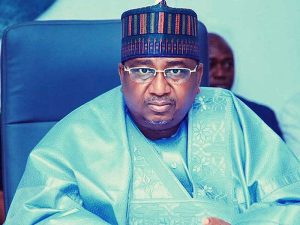
In Kebbi State, the administration of Governor Nasir Idris has, over the past three years, pursued a development agenda that combines major infrastructure projects with people-oriented socio-economic programmes aimed at improving the welfare of residents.
According to public affairs analyst Abdullahi Idris Zuru, the administration’s development blueprint focuses on executing new infrastructure projects, implementing social intervention programmes, completing abandoned projects inherited from previous administrations, and rehabilitating deteriorated public facilities.
One of the notable achievements highlighted under the administration is the completion of the ultra-modern state secretariat complex. The project, which was initiated by a previous government but remained abandoned for over a decade, has now been completed, equipped, and put into use for government operations.
The administration has also undertaken the construction of several new capital-intensive projects, including the Ultra-Modern Motor Park in Birnin Kebbi, the Kauran Gwandu College of Midwifery Sciences in Ambursa, and a Veterinary Specialist Hospital designed to provide advanced veterinary services.
The veterinary facility is expected to serve livestock farmers, herders, and agricultural investors within Kebbi State and neighbouring states. It is also projected to support livestock production and potentially stimulate investments in dairy and meat processing industries, thereby contributing to the state’s internally generated revenue.
In the area of infrastructure, the state government assumed responsibility for the reconstruction of the 87-kilometre Koko-Zuru Road, a federal road linking Zuru, Fakai, Sakaba, and Danko/Wasagu Local Government Areas. The road had reportedly remained in a deplorable condition for several years, affecting transportation, trade, and economic activities across the region.
According to available reports, work on the project has made significant progress, helping to restore connectivity and improve access to communities previously affected by poor road infrastructure.
The administration has also prioritized human capital development through investments in education. Among the initiatives undertaken is the establishment of special mega secondary schools in Birnin Kebbi, Argungu, Yauri, and Zuru. The schools are expected to enhance access to quality education while providing students with practical skills for self-reliance and future employment opportunities.
Agriculture, a key sector of the state’s economy, has also received substantial attention. Through a farming support programme, the government has provided farmers with agricultural inputs including fertilizers, improved seeds, solar-powered irrigation pumps, power tillers, herbicides, and insecticides.
The initiative is aimed at boosting agricultural productivity, improving food security, and supporting the livelihoods of farming communities across the state.
In the health sector, the administration has embarked on the renovation and upgrading of healthcare facilities, procurement of modern medical equipment, recruitment of healthcare personnel, and establishment of specialist referral hospitals in Birnin Kebbi, Argungu, Yauri, and Zuru.
These interventions are intended to improve access to quality healthcare services and strengthen the state’s healthcare delivery system.
Observers note that the combination of infrastructure development and social investment programmes reflects an approach focused on both physical development and human welfare.
By completing abandoned projects, rehabilitating critical infrastructure, supporting agriculture, investing in education, and strengthening healthcare services, the administration seeks to address both immediate and long-term developmental needs.
As Kebbi State continues its development journey, many of these projects and programmes are expected to play a significant role in shaping economic growth, improving public services, and enhancing the quality of life of residents across the state.
Supporters of the administration argue that the willingness to revive stalled projects and implement people-centred policies demonstrates a commitment to sustainable development and responsive governance, qualities often associated with effective leadership.