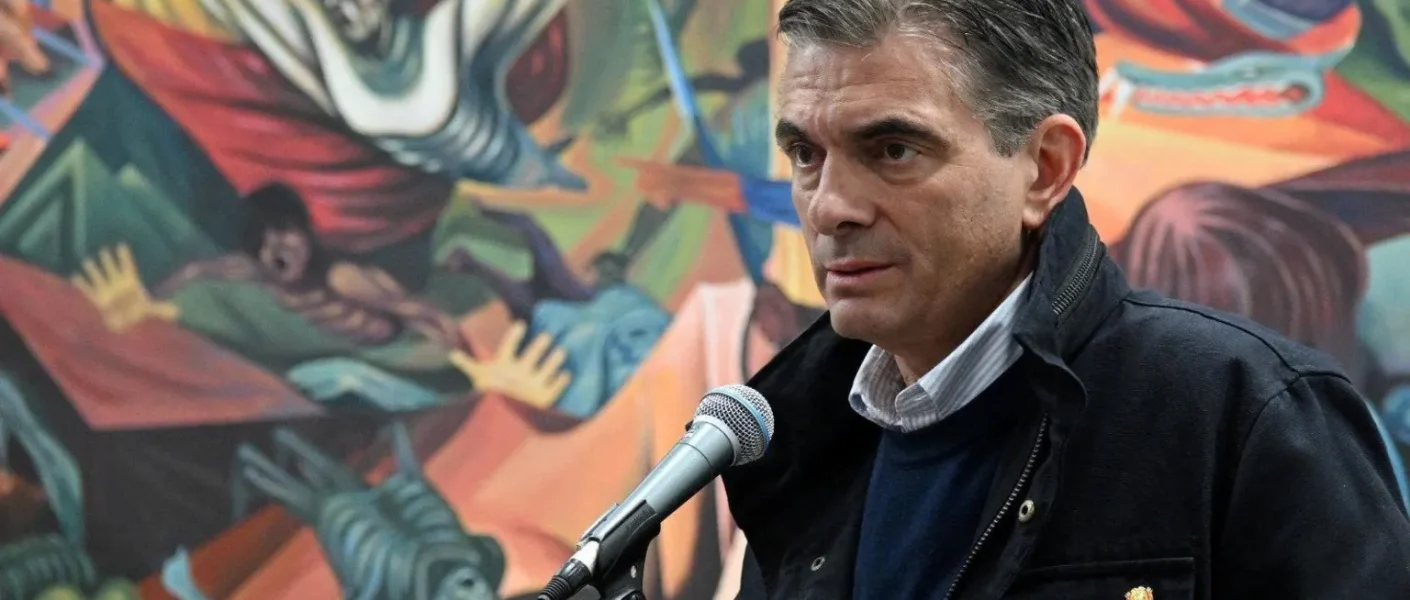
Bolivian President Rodrigo Paz has declared a nationwide state of emergency and ordered security forces to dismantle anti-government roadblocks that have disrupted daily life and economic activity across the country for more than six weeks.
The protests, led by a coalition of labour unions, Indigenous organisations and coca farmers, have seen demonstrators block major highways and roads with rubble, logs and other debris, causing severe shortages of fuel, food and medical supplies in several cities.
The unrest has also inflicted significant economic losses and intensified pressure on Paz’s administration.
In a televised address late Saturday, the president announced a 90-day state of emergency and warned protesters that authorities would enforce the law to restore order.
“Bolivians cannot continue to be held hostage by blockades that prevent them from working, studying, receiving medical care, obtaining supplies and bringing food to their families,” Paz said in a message posted on social media.
“This state of emergency is not intended to take away normalcy, but to restore it.”
The emergency measures restrict certain protest activities and allow the military to assist with domestic security operations.
Shortly after the announcement, AFP reporters observed heavily armed police convoys and bulldozers clearing roadblocks in the city of El Alto. Some residents reportedly applauded as security forces moved through the area.
In the capital, La Paz, military police and naval personnel were deployed around key government facilities, including the presidential palace, while tactical police units patrolled major public squares.
The protesters are demanding that Paz abandon his market-oriented economic reforms and resign from office. The president, who became Bolivia’s first non-socialist leader in two decades, has faced growing opposition since taking office.
Earlier this week, his government reached an agreement with the Bolivian Workers’ Central, one of the country’s largest labour unions. In return for assurances that state-owned companies would not be privatised and a commitment to further dialogue, the union agreed to suspend its protests.
However, several Indigenous groups have refused to join the deal and vowed to continue demonstrations. More than 40 major roadblocks reportedly remain in place.
“We want him gone. We don’t want him governing the country,” Indigenous leader Lidia Callisaya told AFP.
President Paz has accused “narco-terrorists” and supporters of former president Evo Morales of fuelling the unrest.
Morales, who governed Bolivia from 2006 to 2019, is currently in hiding while facing allegations related to the trafficking of a minor, charges he has repeatedly denied.
The former president retains strong support in the Chapare region, where thousands of Indigenous supporters have reportedly prevented security forces from arresting him.
Speaking recently from an undisclosed location, Morales told AFP that the protests reflected widespread resistance to what he described as a conservative government that was “completely submissive” to the United States.
The standoff continues to deepen political tensions in Bolivia as authorities seek to restore normalcy while protesters press ahead with their demands.