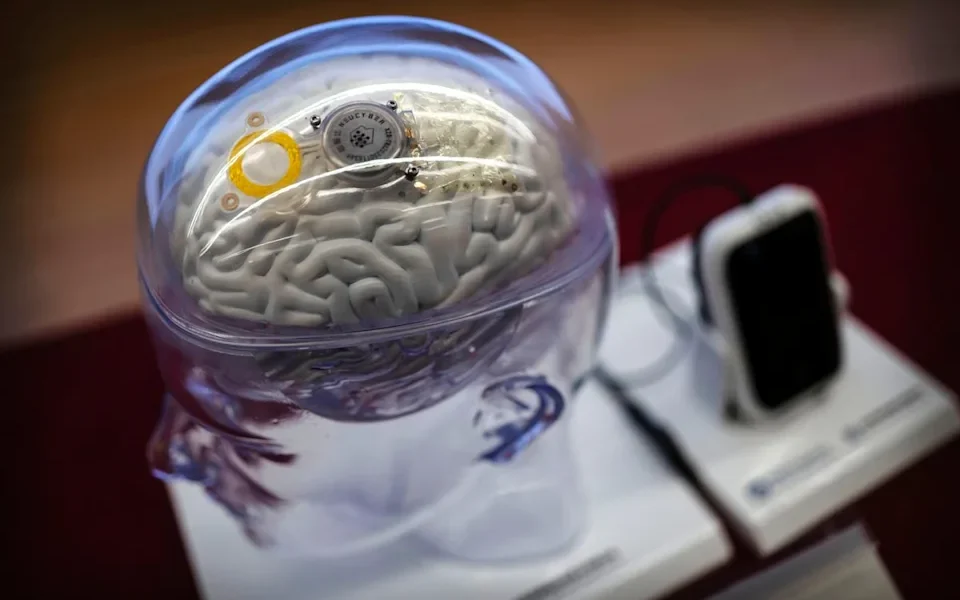
China is accelerating its push into brain-computer interface technology, approving several domestically developed devices for commercial use as the country seeks to compete in a rapidly growing field that includes Elon Musk’s Neuralink.
Several Chinese brain-computer interface (BCI) companies have reportedly received regulatory approval to market their devices. Commercial insurers have also begun offering policies covering some of the invasive surgical procedures associated with brain implants.
BCIs are technologies designed to create a direct communication pathway between the brain and external devices. Some systems can interpret brain signals and convert them into commands, potentially enabling people to operate computers, robotic limbs and other equipment using their thoughts.
China has identified BCI technology as a strategic industry and is stepping up efforts to move the technology from research laboratories into clinical and commercial applications.
Among the products recently approved is an electrode-equipped cap developed by Tianjin-based Tiankai Suishi Intelligent Technology. The device, which is already being sold, is designed to assist doctors in assessing and diagnosing patients’ cognitive functions.
The development comes amid growing international competition in brain-interface technology, with Elon Musk’s Neuralink among the most prominent companies working on implantable systems.
Musk has previously described Neuralink’s coin-sized implant as being similar to having a “Fitbit in your skull.” He has suggested that more advanced versions could eventually create much closer connections between humans and artificial intelligence.
Musk has even speculated that future technology might one day allow people to preserve or transfer memories, although such capabilities remain highly theoretical.
Neuralink is currently testing its technology in people with severe paralysis. Early trials have demonstrated that participants can use brain signals to control computers, while the company is also exploring the technology’s ability to operate physical devices such as assistive robotic arms.
More than 10,000 people have reportedly registered their interest in participating in Neuralink trials, with patients affected by conditions including quadriplegia and amyotrophic lateral sclerosis among those involved in early studies.
Despite China’s rapid progress, some Chinese developers acknowledge that they remain behind Neuralink in certain areas. Beijing-backed NeuCyber Neurotech reportedly said earlier this year that its most advanced technology was approximately three years behind Neuralink.
China’s regulatory approvals and its decision to make brain-computer interfaces a strategic priority suggest that competition in the emerging brain-chip industry is set to intensify.