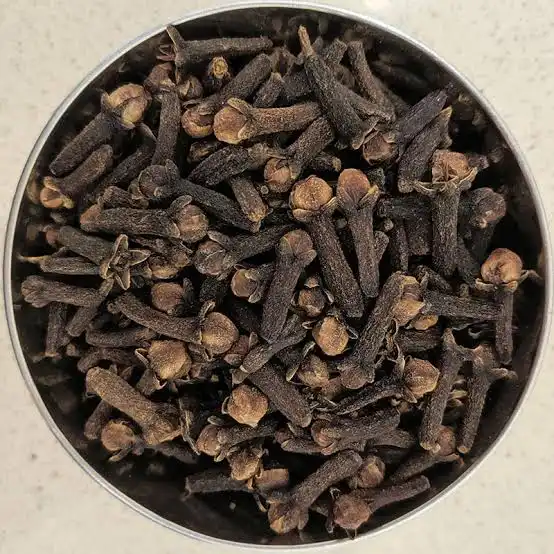
If you suffer from conditions like ulcers, toothache, or diabetes, cloves may be worth adding to your diet. Even without these issues, this common spice offers a range of health benefits that make it a useful addition to everyday meals.
Cloves, scientifically known as Syzygium aromaticum, are widely used across cultures for both cooking and traditional medicine.
In many Nigerian households, cloves are recognised not only for their strong aroma but also for their role in managing minor ailments. They are known as kànáfùrù in Yorùbá, kananfari in Hausa, and kanafura in parts of West Africa.
They can be consumed in various forms—ground into spice mixes, brewed as tea, added to pap, or boiled whole for herbal drinks. Beyond enhancing flavour, cloves contain active compounds linked to several health benefits.
Notably, they are among the richest natural sources of antioxidants, which help combat free radicals associated with inflammation, ageing, and chronic diseases.
Health Benefits of Cloves
1. May Help Prevent Ulcers
The stomach produces acid for digestion but depends on a protective mucus lining. When this barrier weakens, ulcers can form.
Research published by the National Library of Medicine suggests clove extracts may boost mucus production, helping to strengthen the stomach lining and potentially reduce ulcer risk when consumed in moderation.
2. Supports Blood Sugar Control
Cloves have been studied for their potential to regulate blood sugar levels.
Findings indexed by the National Library of Medicine indicate that compounds in cloves may improve insulin function and help lower glucose levels. However, excessive intake can lead to hypoglycaemia, especially for those on diabetes medication, so moderation is essential.
3. Provides Relief for Toothache
Cloves have long been used as a natural remedy for dental pain.
This effect is largely due to eugenol, a compound with mild anaesthetic and antibacterial properties, commonly used in dentistry for temporary pain relief. While crushed cloves or diluted clove oil may ease discomfort, they are not a substitute for professional dental care.
4. Antimicrobial Properties
A 2020 review in the National Library of Medicine highlights cloves’ broad pharmacological effects, including antibacterial, antifungal, antiviral, and anti-inflammatory properties.
Studies have shown effectiveness against organisms like Staphylococcus aureus and viruses such as Herpes simplex and Hepatitis C.
5. Traditional and Everyday Uses
Cloves are often boiled into tea to help with nausea or respiratory discomfort. They are also used in soups, stews, rice dishes, and spice blends.
Traditionally, they have been used for coughs, colds, digestive issues, and infections, though many of these claims are still largely supported by laboratory research rather than large-scale human studies.
6. Safety Considerations
While generally safe in small amounts, cloves should be used with care.
Clove oil is highly concentrated and should not be ingested, particularly by children, as it can cause serious side effects such as liver damage, seizures, and fluid imbalance.
Topical use should be diluted to avoid irritation.
People taking blood thinners or diabetes medication should consult a healthcare professional before regular use, as cloves may interact with these drugs.
Cloves are more than just a kitchen spice—they combine rich flavour with notable medicinal potential, from aiding digestion to offering antimicrobial and mild pain-relieving effects. Still, they should not replace proper medical treatment. When used in moderation, cloves remain a simple and affordable addition to a balanced diet.