
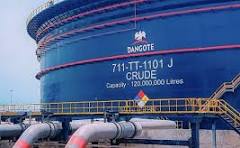
Dangote Refinery has detailed its fuel production and distribution operations, cautioning that heavy reliance on coastal logistics could significantly drive up petrol prices if the added costs are passed on to consumers.
In a statement posted on its official X account on Thursday titled “Six Things to Know About Dangote Refinery Fuel Production and Distribution,” the company said its facility operates a world-class gantry system with 91 loading bays, capable of handling up to 2,900 tankers daily. According to the refinery, the system enables the evacuation of over 50 million litres of petrol and 14 million litres of diesel through round-the-clock operations.
The refinery explained that gantry loading is the most cost-effective evacuation method, as it eliminates port charges, maritime levies, and vessel-related expenses that ultimately do not benefit end users.
“Gantry loading is identified as the most cost-efficient evacuation method, as it eliminates port charges, maritime levies, and vessel-related costs that do not benefit end users,” the statement said.
Dangote Refinery added that marketers are free to choose between gantry and coastal loading, stressing that it places no restrictions on evacuation options. However, it warned that coastal logistics could add about ₦75 per litre to the cost of petrol, potentially pushing pump prices close to ₦1,000 per litre if such costs are transferred to consumers.
The company noted that Nigeria’s average daily fuel consumption stands at about 50 million litres of PMS and 14 million litres of diesel, adding that reliance on coastal logistics could result in an additional annual cost of approximately ₦1.752 trillion.
Highlighting the benefits of local refining, Dangote Refinery said domestic production has already contributed to lower fuel prices, with diesel prices dropping from about ₦1,700 to between ₦980 and ₦990 per litre, while PMS prices have fallen from around ₦1,250 to between ₦839 and ₦900 per litre. The refinery added that local refining has also helped ease foreign exchange pressure and support naira stability.