
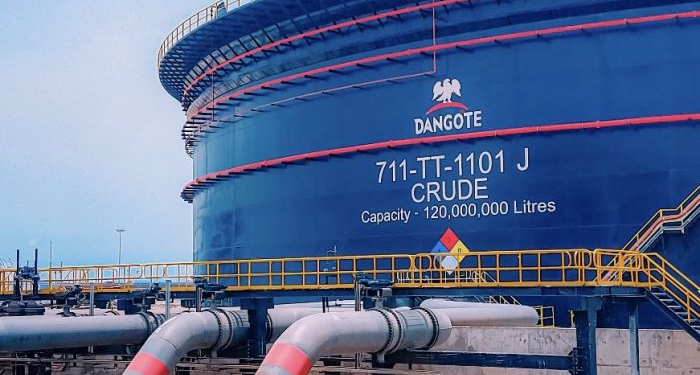
The Dangote Petroleum Refinery has increased the gantry price of Premium Motor Spirit, popularly known as petrol, from N1,185 to N1,200 per litre.
The new price took effect on August 26, 2026, according to a notice issued to customers by the refinery’s Group Commercial Operations.
The refinery also adjusted its coastal delivery price, increasing it from N1,562,265 to N1,582,380 per metric tonne.
Customers with existing Authorisation to Collect documents were directed to return them for repricing before loading could resume.
“You are advised to return all ATCs for repricing, and a new volume contract will be issued for immediate loading resumption,” the notice stated.
The latest adjustment represents a N15 increase per litre and comes just days after the refinery raised its gantry price from N1,165 to N1,185 per litre on August 21.
The development could result in higher prices at filling stations as petroleum marketers factor transportation, distribution and other downstream expenses into their retail prices. Petrol prices could consequently climb to an average of around N1,250 per litre.
The latest increase comes amid volatility in the international oil market. West Texas Intermediate crude was reported at $82.13 per barrel on Tuesday, while Brent crude stood at $88.37 per barrel.
Global oil markets have faced uncertainty amid the ongoing US-Iran conflict and concerns about potential disruptions to crude supplies.
Oil prices reportedly declined after investors assessed new US sanctions against Iran as posing less risk to global supplies than a possible escalation in military action. Analysts, however, have warned that prices could rise significantly if the conflict intensifies.
Attention has also remained on the Strait of Hormuz, one of the world’s most important oil-shipping routes. Reports indicate that only two commodity vessels passed through the waterway on Monday, the lowest daily figure since early May.
The strait previously handled roughly one-fifth of global oil consumption, meaning any prolonged disruption could have significant consequences for international energy supplies and prices.
