
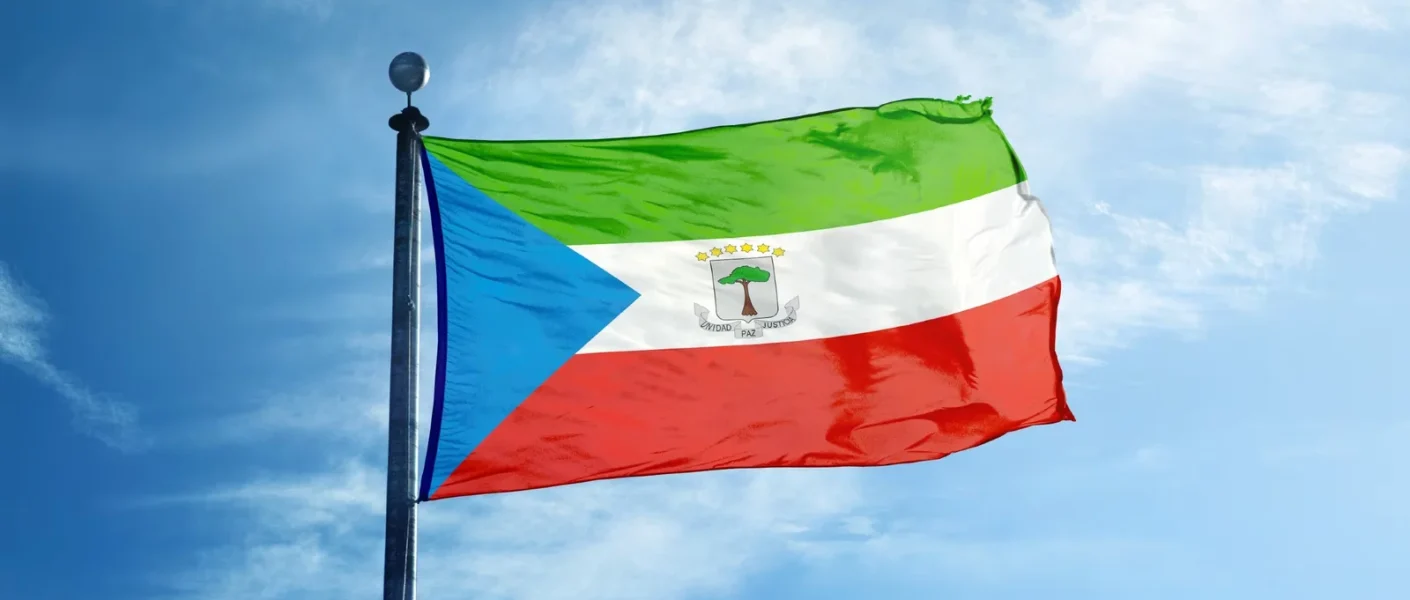
Equatorial Guinea’s government has resigned after reportedly failing to achieve key performance objectives set by the country’s leadership.
The announcement was made by Vice-President Teodoro Nguema Obiang Mangue, who said the federal executive council stepped down after falling significantly short of its assigned goals.
Mangue, the son of President Teodoro Obiang Nguema Mbasogo, revealed the decision in a statement posted on social media, stressing that public office must be accompanied by measurable results.
According to the vice-president, the government had access to substantial human, financial and material resources intended to improve the lives of citizens but failed to deliver on many of its commitments.
He stated that the outgoing administration achieved only about 10 percent of its planned objectives, describing the level of implementation as far below expectations.
While he did not specify the exact targets that were missed, Mangue said the results were insufficient considering the resources and responsibilities entrusted to the cabinet.
The administration was appointed in 2024 by President Mbasogo and was led by Prime Minister Manuel Osa Nsue Nsua, a former head of the National Bank of Equatorial Guinea.
The government had been tasked with implementing economic reforms aimed at improving living standards, supporting vulnerable citizens and reducing the country’s dependence on oil revenues.
However, Equatorial Guinea continues to face significant economic challenges, including declining oil production, reduced foreign investment and broader global economic pressures.
The country’s economy remains heavily reliant on the petroleum sector, with oil and gas accounting for the majority of government income and export earnings.
In a statement, the ruling Democratic Party of Equatorial Guinea (PDGE) said President Mbasogo was dissatisfied with the government’s performance, particularly its inability to advance economic diversification initiatives.
The party noted that the administration had not made sufficient progress in developing sectors such as agriculture, which the government sees as critical to reducing dependence on oil and imported goods.
Officials also criticised the cabinet for failing to strengthen domestic production and reduce the country’s reliance on products that could be manufactured locally.
A new government is expected to be announced in the coming days as authorities seek to accelerate economic reforms, improve policy implementation and address the country’s ongoing economic challenges.
The mass resignation marks one of the most significant political developments in Equatorial Guinea in recent years and highlights growing pressure on government officials to deliver tangible results for citizens.