
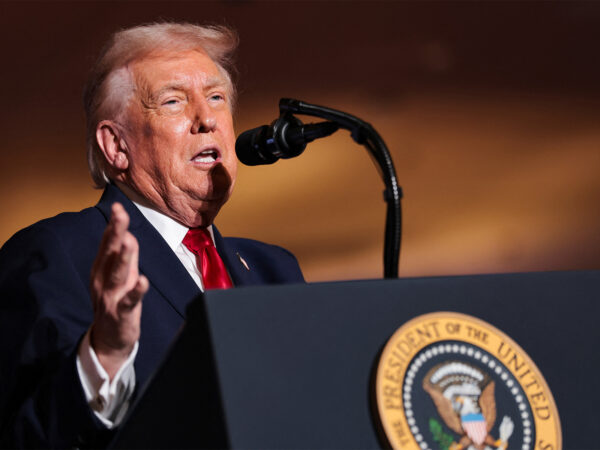
European shares edged lower on Wednesday, January 21, as markets turned cautious ahead of US President Donald Trump’s highly anticipated speech at the World Economic Forum in Davos. The growing diplomatic standoff over Greenland — and the threat of fresh trade tariffs — has dominated conversations at the summit and unsettled investors.
Market sentiment has been shaky all week after Trump warned he could impose tariffs of up to 25 per cent on several European countries, including France, Germany, Britain and Denmark, in response to their opposition to his push for US control of Greenland.
The warnings have sparked talk of retaliation in Davos, with European Commission President Ursula von der Leyen vowing the European Union would be “unflinching” in its response.
Meanwhile, US Treasury Secretary Scott Bessent urged European leaders to avoid acting out of “reflexive anger” and instead engage directly with Trump to hear his position. With Trump expected to speak later in the day, investors were watching closely for signs that he may escalate the dispute further.
“If he sticks to his guns about taking Greenland under US control, and if he continues to sideline his closest allies, then risk sentiment could take another dive lower,” said Kathleen Brooks, research director at XTB.
As uncertainty deepened, precious metals — often viewed as safe-haven assets during geopolitical turmoil — surged to fresh record levels.
Global markets have remained under pressure throughout the week. In the United States, Wall Street’s three major indexes slumped on Tuesday as trading resumed after a long holiday weekend, though futures later suggested a possible rebound.
Asian markets delivered mixed results, with Tokyo slipping while Hong Kong and Shanghai posted modest gains.
In Japan, government bond yields eased after earlier jumping sharply, following Prime Minister Sanae Takaichi’s promise of tax cuts ahead of February’s snap election. Finance Minister Satsuki Katayama later called for calm, pointing to strong tax revenues and Japan’s lowest reliance on debt issuance in 30 years.
In corporate updates, British luxury fashion brand Burberry climbed about five per cent in London after reporting stronger sales, boosted by improving demand from China.