
The Federal Government has reversed its earlier stance on fuel imports, approving six new licences for the importation of Premium Motor Spirit (petrol) amid concerns over supply disruptions linked to geopolitical tensions in the Middle East.
The decision marks a shift from recent efforts to reduce reliance on imported fuel, as authorities move to stabilise supply in the face of emerging shortfalls.
According to a report by S&P Global, the Nigerian Midstream and Downstream Petroleum Regulatory Authority (NMDPRA) approved the importation of about 180,000 metric tonnes of petrol. The move comes just weeks after the regulator maintained that local refining capacity was sufficient to meet national demand.
A senior official at the agency said the licences were issued to bridge a supply gap triggered by the Middle East crisis.
Findings show that the approved marketers—Bono Energy, Pinnacle, AYM Shafa, Matrix, A.A. Rano, and Nipco—are each expected to import around 30,000 metric tonnes, bringing total supply to roughly 243 million litres.
The development underscores the fragility of Nigeria’s fuel supply system, despite increased output from domestic refineries.
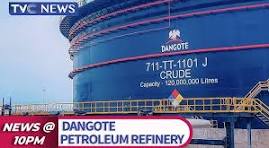
Industry stakeholders have called on the government to boost crude supply to local refineries, particularly the Dangote Petroleum Refinery, to reduce dependence on imports and shield the country from global shocks.
A senior official at the Dangote Group disclosed that the refinery is facing mounting foreign exchange losses under the naira-for-crude arrangement. According to the source, the facility supplies more refined products to the local market than the crude it receives, limiting its ability to earn foreign exchange through exports.
The official stressed that while the policy was designed to support domestic supply, it has constrained the refinery’s revenue potential. He also called for strict enforcement of the Petroleum Industry Act, which prioritises crude supply to local refineries before export.
Dangote Refinery CEO, David Bird, also raised concerns, revealing that the facility receives far less crude than agreed—about five cargoes monthly instead of the expected 13 to 15. He said the shortfall has forced the refinery to source Nigerian crude from international markets at higher costs, increasing overall production expenses.
Despite these challenges, the refinery is operating at full capacity of 650,000 barrels per day, supplying both domestic and regional markets. However, rising global oil prices and tensions in the Middle East have increased costs across logistics, insurance, and freight.
Experts say a balanced approach is needed to ensure energy security. The CEO of Petroleumprice.ng, Jeremiah Olatide, noted that while local refining remains dominant, limited imports are necessary to stabilise the market and prevent economic disruption.
Oil marketers and refiners have also urged the government to increase crude allocation to domestic refineries, enforce the domestic crude supply obligation, and adopt fair pricing models to reduce production costs and stabilise pump prices.
They warned that without addressing key factors such as exchange rate volatility, logistics costs, and global crude prices, fuel prices may continue to rise despite local refining efforts.
The Petroleum Products Retail Outlets Owners Association of Nigeria (PETROAN) called for urgent government intervention to ease the burden of rising fuel costs, noting that higher prices are already driving up transportation, goods, and living expenses nationwide.
The association recommended measures including improved crude supply frameworks, support for local refining, revival of state-owned refineries, and temporary relief initiatives for consumers.
Overall, stakeholders emphasised that strengthening domestic refining capacity, ensuring adequate crude supply, and maintaining a balanced import strategy are critical to achieving long-term energy stability in Nigeria.
