
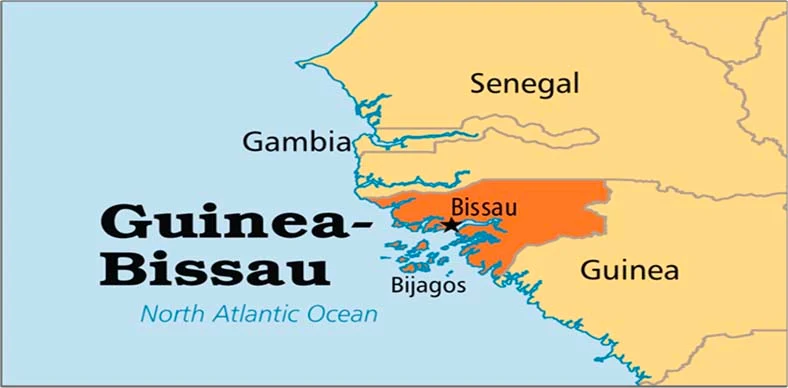
Guinea-Bissau’s military rulers are no longer pursuing the arrest of a senior opposition figure who had gone into hiding, an opposition official said on Saturday. However, another leading opposition politician, released from prison just a day earlier, has since been placed under house arrest.
The junta detained several high-profile politicians after toppling President Umaro Sissoco Embalo and taking power on November 26, only days after the presidential election and before official results were announced. The military subsequently suspended the electoral process, prompting Embalo to flee the country.
Embalo’s main rival, Fernando Dias, who claims to have won the election, avoided arrest by seeking refuge in the Nigerian embassy. On Saturday, Dias’s communications manager said most restrictions imposed on him had been lifted.
Dias “is not under house arrest,” said communications manager Gabriel Ye. “The only conditions imposed by the military authorities are that he refrain from making public statements or participating in political activities.”
Ye also confirmed the release of Embalo’s former prime minister, Geraldo Martins.
In contrast, Domingos Simoes Pereira — a prominent opposition leader and outspoken critic of Embalo — was freed from prison on Friday evening after months in detention, only to be placed under house arrest shortly afterward.
“All those detained in connection with the coup have been released,” army commander Jorgito Biague told AFP on Saturday. “Domingos Simoes Pereira is the only one under house arrest, for economic crimes. His case is now in the hands of the judiciary, not the military high command.”
On Friday evening, Pereira was escorted to his home on the outskirts of the capital, Bissau, where supporters gathered to welcome him.
Pereira leads the PAIGC party, which guided Guinea-Bissau to independence from Portugal in 1974. He had been barred from running in the presidential election after submitting his candidacy late and subsequently endorsed Dias.
Since independence, Guinea-Bissau has endured five military coups and numerous attempted takeovers.
On Saturday, the Economic Community of West African States (ECOWAS) said it “welcomed the recent measures taken by the transitional authorities” to promote “an inclusive political environment and a return to constitutional order.”
The regional bloc called for the “full release” of Pereira, guarantees of fundamental rights and freedoms for all citizens, and urged all parties to cooperate toward “a peaceful and credible transition leading to democratic elections.”
