
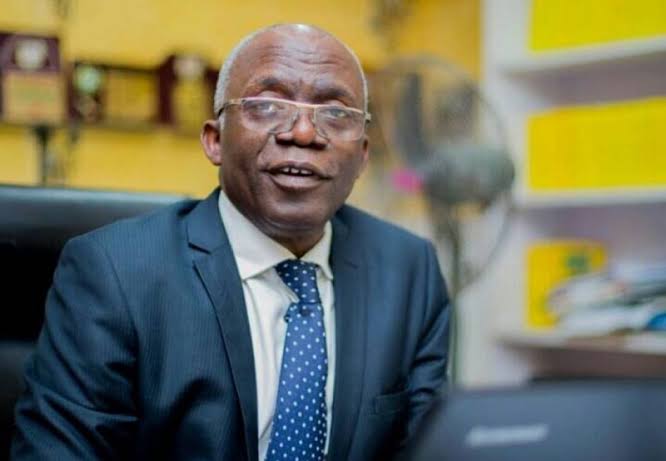
Human rights lawyer Femi Falana has said Nigerian courts should not be responsible for determining the winners of elections, calling for reforms ahead of the 2027 general elections.
Falana argued that excessive judicial involvement in electoral disputes could undermine the choices made by voters at the ballot box.
Speaking during an appearance on Arise Television’s Sunrise Daily, the Senior Advocate of Nigeria expressed concern about whether the judiciary is adequately prepared to handle challenges that could emerge from upcoming elections.
“There is no indication yet that the Nigerian judiciary is positioned to address some of the challenges that may emanate with respect to some of the elections likely to take place in January and February next year,” Falana said.
“For me, the first matter to address is the role of the judiciary in the electoral process in Nigeria. We must stop the practice whereby the court determines the winners of the election in Nigeria.”
Falana stressed that the Independent National Electoral Commission, INEC, alongside other relevant stakeholders, must ensure elections are conducted transparently and without irregularities.
Referring to the recent election in Osun State, Falana said that despite its shortcomings, the outcome should ultimately reflect the decision of voters rather than be overturned through legal technicalities.
“We just had an election in Osun State. Forget all the shortcomings, at the end of the day, the beauty of it will be that the governorship election will not go to court because the people have decided, they have elected their leader,” he said.
Falana argued that courts should not be allowed to use technicalities to undermine what he described as the popular choice of the electorate.
He further called for the judiciary’s role in Nigeria’s democratic process to be “extremely limited,” while placing responsibility on INEC, the media and other stakeholders to help ensure credible elections.
According to him, preventing the announcement of fraudulent results and improving the overall conduct of elections would reduce the number of disputes taken before election tribunals and appellate courts.
“We must start with the conduct of good elections so that our courts are limited in the democratic process,” Falana said.